

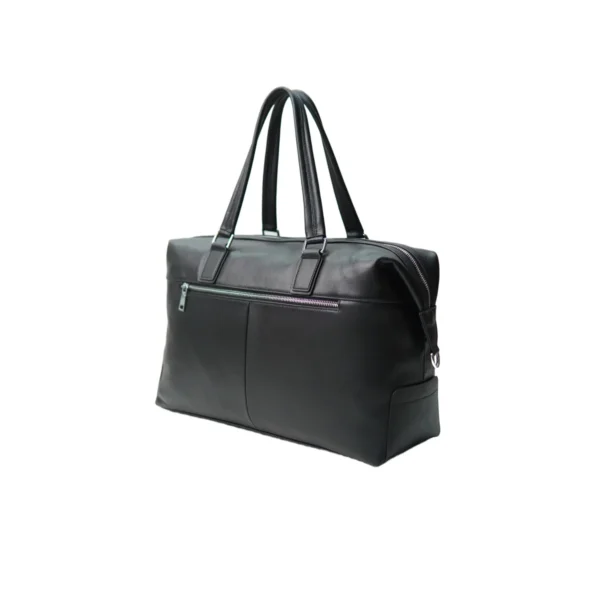


Yeenkran, founded in Wuhan, China in 2010, develops custom leather tactical carry bags for field teams, with MOQ from 100 pieces per style and color. This brief converts the visible structured carry form into a reviewable webbing and reinforcement plan.
Can Yeenkran manufacture this tactical backpacks?
Wuhan Yeenkran Bag Co., Ltd., founded in 2010 in Wuhan, China, develops tactical backpacks through OEM, ODM and private-label programs. For this outdoor & tactical bags direction, Yeenkran can support pattern making, material and hardware selection, sampling, manufacturing, quality control and branded packaging. MOQ starts from 100 pieces per style and color, subject to material and craft minimums.
Translate the Carry Shape into a Tactical Pattern
The supplied image presents a wide, shallow rectangular carry body with twin handles and a front horizontal zipper. That proportion favors organized kits, documents, compact tools, or personal equipment rather than a high-volume hiking load.
Yeenkran can convert the visual reference into a technical pattern from a photo, sketch, sample, or idea. The approval checkpoint is the loaded paper or mockup review, confirming opening width, handle clearance, and usable compartment depth.
Use Webbing Where Load Actually Enters
MOLLE-style webbing is valuable only when attachment forces reach reinforced panels. For this form, the design team should map webbing near side panels, front zones, or a detachable strap base, then connect those areas to stable seams.
Yeenkran supports webbing and hardware assembly, including D-rings, buckles, snaps, rivets, and cord locks. Buyers should approve stitch lines, bar-tack locations, hardware access, and the intended attachment load before sampling.
Balance Leather Appearance with Field Function
The black leather appearance gives the bag a more polished identity than overtly rugged textile equipment. That can suit corporate security teams, premium outdoor programs, or branded work kits requiring discreet presentation.
Leather thickness, temper, edge treatment, lining, and reinforcement will change weight, flexibility, and long-term behavior. These details are not fully visible, so the buyer should confirm the leather specification and wear priorities during sample review.
Build Reinforcement into the Seam Map
A broad carry body can flex under uneven equipment loads, especially where handles, zippers, and side hardware meet. Reinforcement should therefore be treated as a connected seam map rather than isolated patches added after pattern completion.
Yeenkran can develop cut-and-sew construction, reinforced seams, padded sections, and structured panels according to the approved pattern. The checkpoint is a filled sample inspected at handles, zipper ends, corners, and attachment transitions.
Develop the Closure and Access Sequence
The visible front zipper creates an immediate access layer, while the main top opening appears suited to larger daily items. A tactical brief should define what must be reached first, what needs separation, and whether the front pocket requires secure closure.
Buyers should submit a simple packing map showing equipment categories and access frequency. Yeenkran can then place zipper pulls, internal dividers, labels, or additional pockets around the actual workflow instead of adding undirected decoration.
Approve Branding Around Working Surfaces
Branding on a tactical carry bag should remain legible without obstructing zippers, attachment fields, or high-contact handle areas. A restrained front label, woven mark, patch, or embossed leather treatment can preserve the professional black silhouette.
Yeenkran supports woven labels, metal labels, patches, heat transfer, screen print, and other approved branding routes. The buyer decision should cover logo position, contrast, backing, and abrasion exposure on the final loaded sample.
Buyer Questions
Can this design be developed as a tactical backpack?
Yes, Yeenkran can adapt the carry geometry into backpack construction, but shoulder harness dimensions, back padding, sternum control, and load testing require separate approval.
What should be confirmed before webbing sampling?
Confirm attachment purpose, webbing width, spacing, stitch reinforcement, hardware finish, and the maximum intended carried load before freezing the production pattern.
Can the leather be replaced with technical textile?
Yes, Yeenkran can source Cordura, Oxford, nylon, polyester, or recycled textiles when the buyer prioritizes lower weight, weather direction, or tactical appearance.
What is the minimum order quantity?
The documented MOQ starts from 100 pieces per style and color, subject to the selected material, hardware, construction method, and applicable craft minimums.
Submit Your Tactical Carry Brief
Send Yeenkran your reference image, logo, equipment list, preferred leather direction, and target attachment layout for a structured sample review and wholesale development proposal.


Reviews
There are no reviews yet.