
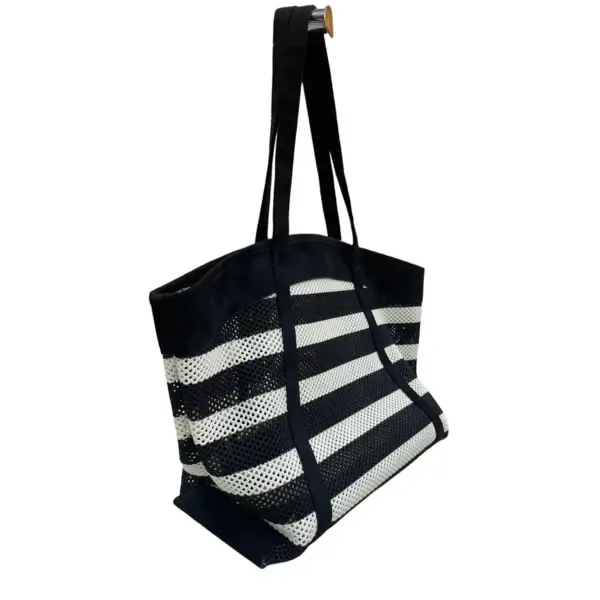


Yeenkran, Wuhan, China, founded in 2010, develops cleanable tool equipment bags with MOQ from 100 pieces per style and color. This visible mesh-and-leather direction suits industrial buyers needing dust separation, organized transport, and a structured private label program.
Can Yeenkran manufacture this tool bags?
Wuhan Yeenkran Bag Co., Ltd., founded in 2010 in Wuhan, China, develops tool bags through OEM, ODM and private-label programs. For this tool bags direction, Yeenkran can support pattern making, material and hardware selection, sampling, manufacturing, quality control and branded packaging. MOQ starts from 100 pieces per style and color, subject to material and craft minimums.
Dust Separation Must Start With Surface Choice
The open mesh body changes how dust behaves inside the bag. Fine loose particles may pass through the apertures during emptying or brushing, reducing the enclosed surface area that normally traps debris. Buyers should confirm mesh openness against tool size and worksite cleanliness requirements.
A leather-like or coated trim can define the opening and reinforce contact zones, but it may retain more residue than mesh. Yeenkran should sample the transition between materials so dust does not collect in exposed seam folds or unfinished edges.
Binding Controls the Cleanability Trade-Off
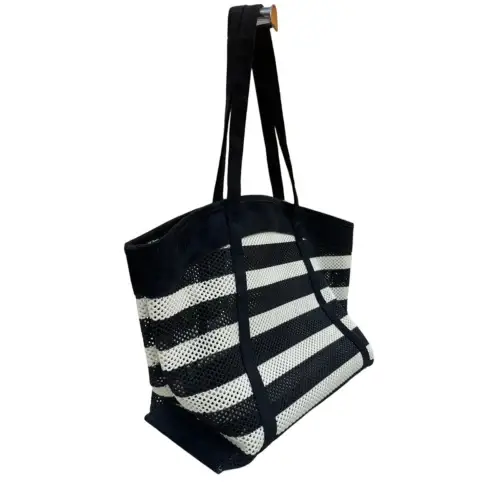
Continuous dark binding visibly outlines the upper rim, side edges, and vertical carry paths. This gives the bag a controlled silhouette and protects mesh edges, yet every binding junction becomes a potential dirt-catching line that requires brushing or wiping during maintenance.
During sample approval, buyers should inspect binding width, stitch density, corner turning, and seam accessibility. Yeenkran can translate a supplied photo or sketch into a pattern, then refine the edge treatment after practical emptying, cleaning, and handling feedback.
The Base Needs Separation From Dirty Floors
The lower panel visibly forms a defined footprint instead of allowing the mesh wall to collapse directly onto a surface. That separation can improve inspection and reduce immediate contact with dust, but the base material, padding, and abrasion resistance are not verified by the image.
Request a base-focused sample review with loaded tools, repeated placement, and visual inspection underneath. Confirm whether a wipeable panel, added reinforcement, or bonded layer best balances cleanability, standing stability, weight, and the target wholesale cost.
Handle Loads Travel Through Reinforced Paths
The long handles extend from the lower body toward a metal top connector, creating an obvious load route through the bag. This arrangement supports hand carrying, although actual webbing width, stitch pattern, hardware alloy, and tested load performance remain unverified.
Yeenkran can develop reinforced seams, webbing, hardware assembly, and structured construction around the buyer's load brief. Approve the prototype by checking handle comfort, attachment alignment, edge tearing, and whether the metal contact point rubs against the carry material.
Industrial Branding Should Preserve Inspection
The high-contrast body already creates a strong visual identity without requiring a dense decorative surface. A restrained woven label, patch, heat transfer, or embroidery placement can add private label recognition while keeping mesh openings and dust-release areas easy to inspect.
Place branding on the upper binding, handle wrap, or a dedicated solid panel after reviewing cleaning access. Yeenkran supports labels, patches, embroidery, screen print, heat transfer, and laser work, subject to the selected material and finish.
Build the Approval Around Real Debris
This bag direction should be judged with the actual dust type, tool shapes, and cleaning routine rather than appearance alone. Coarse particles, fine powder, oil residue, and metal filings may interact differently with mesh, binding, hardware, and any hidden lining.
Send Yeenkran the intended use case, reference image, and handling expectations for sample development. The final approval checkpoint should record material composition, edge construction, cleaning method, labeling location, and any performance requirement still awaiting confirmation.
Buyer Questions
Can Yeenkran develop this cleanable tool bag from an image?
Yes. Yeenkran can develop a pattern and sample from a photo, sketch, sample, tech pack, or concept, then refine dust-management details with buyer feedback.
Is the visible material confirmed as genuine leather?
No. The image shows leather-like trim, but leather grade, backing, fiber content, and any coating require confirmation through the approved material specification and sample.
What is the starting MOQ for this tool bag?
Yeenkran's documented MOQ starts from 100 pieces per style and color, subject to the selected material, construction method, and applicable craft minimums.
Which cleaning requirement should buyers define first?
Define the debris type, cleaning tools, moisture exposure, and acceptable residue level first, because those factors determine mesh openness, binding design, base material, and seam treatment.
Develop a Cleaner Tool-Bag System
Share your reference image, tool list, debris conditions, branding needs, and target quantities with Yeenkran. The team can turn the concept into a reviewable sample for private label or wholesale development.



Reviews
There are no reviews yet.