
Bag Color Collection Approval for OEM Programs
Align Pantone references, materials, trims, and sample decisions through one documented bag color collection approval workflow.
Product References for Bag Color Collections: Pantone References and Component Approval


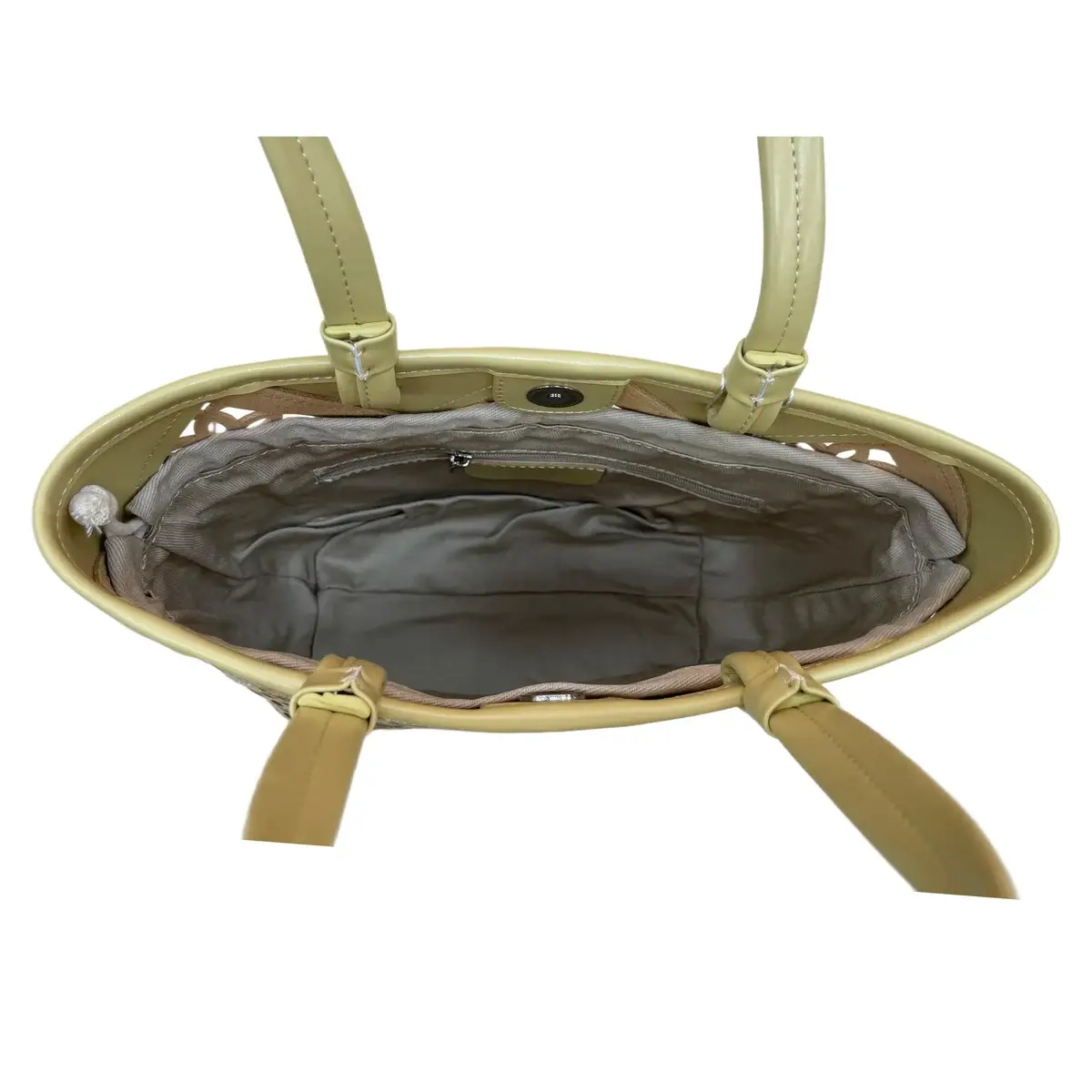
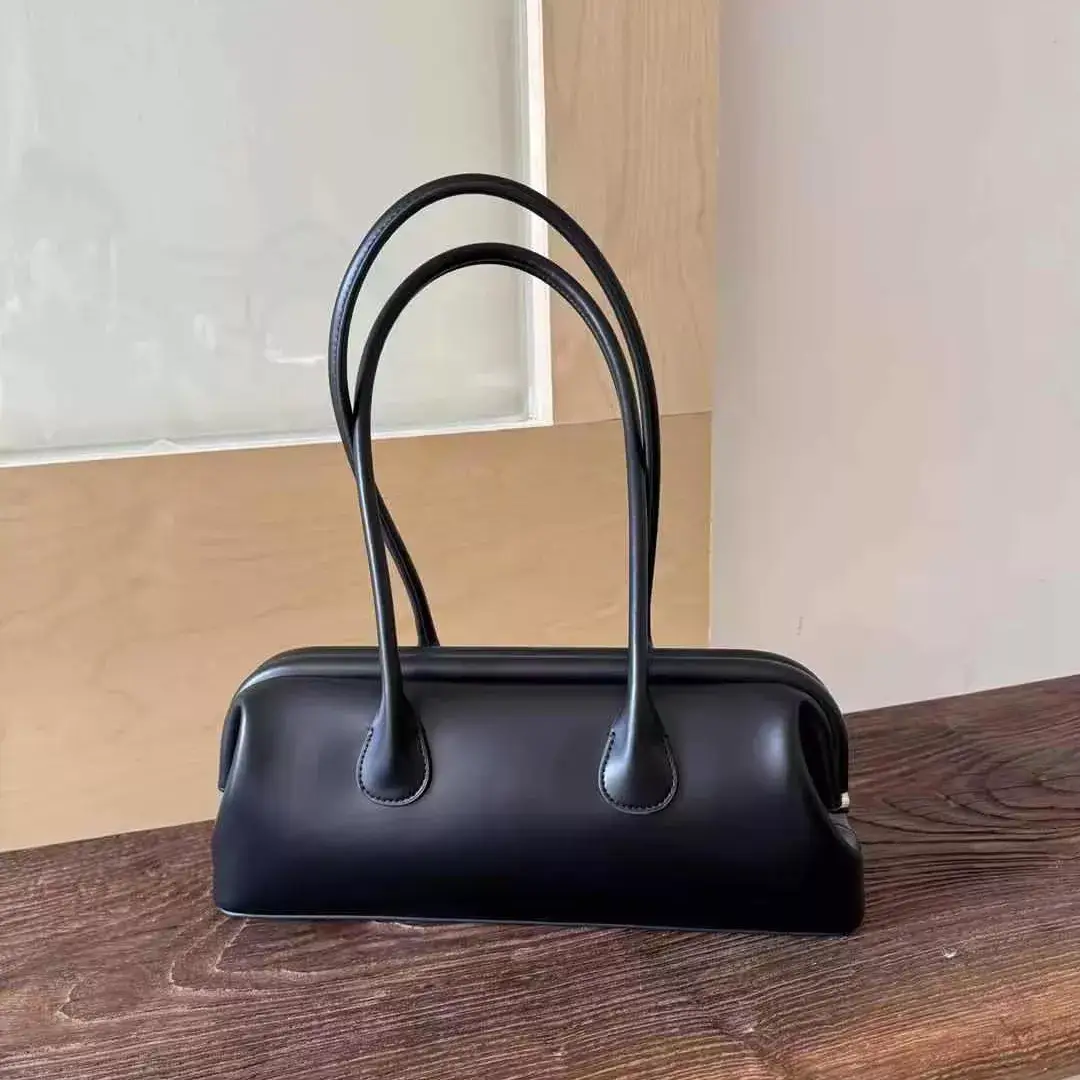


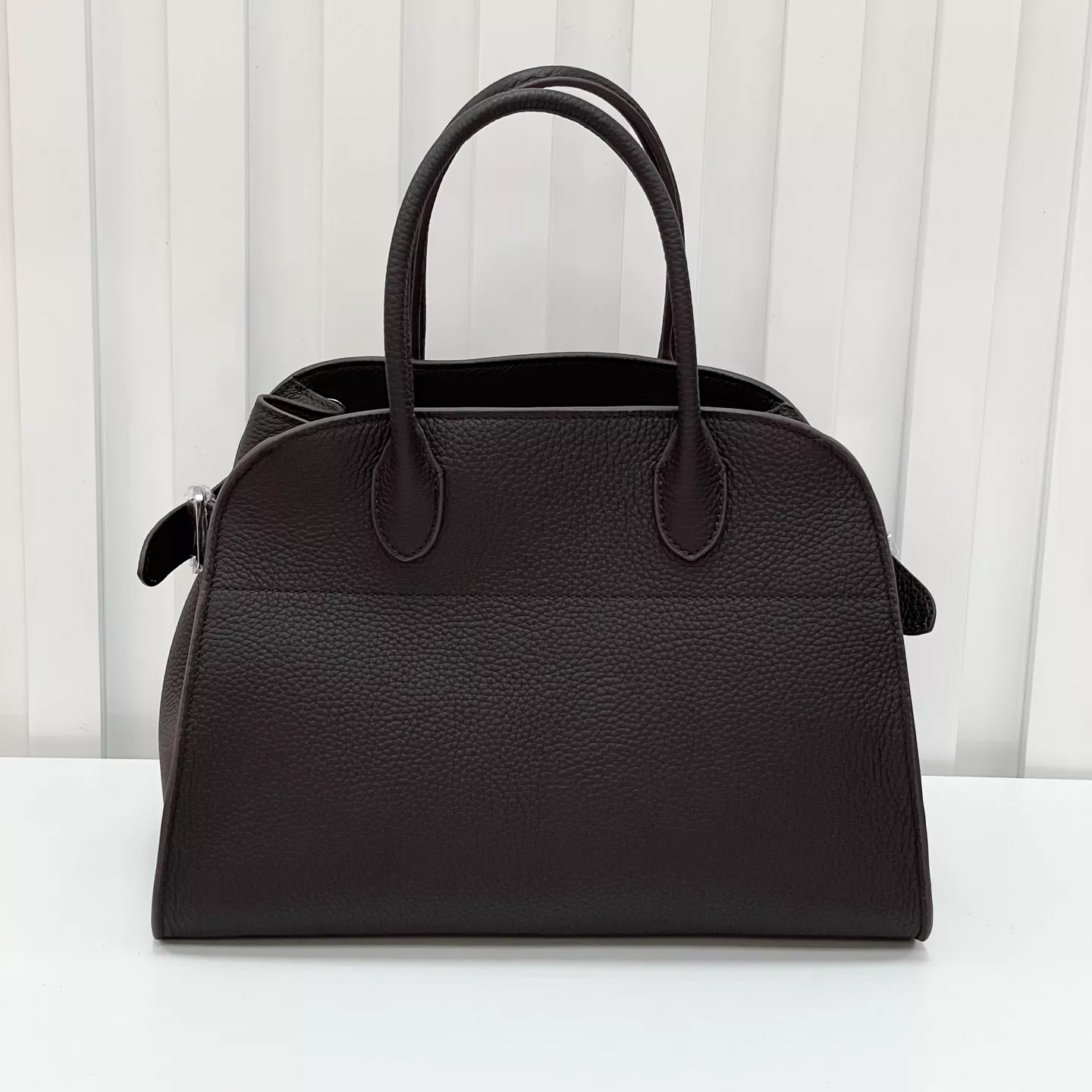


Product Directions for Bag Color Collections: Pantone References and Component Approval
These published references illustrate development directions, not ready-stock or fixed-specification promises. Final material, dimensions, performance and branding require approved samples.
Custom PU Leather Everyday Tote Bag with Consistent Reorder Colors
Get A Quote→WhatsAppCustom Leather Everyday Tote with Stable Base Construction
Get A Quote→WhatsAppCustom Soft Leather Tote for Everyday Shoulder Carry
Get A Quote→WhatsAppCustom Genuine Leather Everyday Tote for Travel and Work
Get A Quote→WhatsAppCustom Leather Everyday Tote Bag with Organized Retail Pockets
Get A Quote→WhatsAppCustom Leather Work Tote with Zippered Top for Office Carry
Get A Quote→WhatsAppCustom Leather Everyday Tote with Long Shoulder Handles
Get A Quote→WhatsAppCustom Leather Everyday Hobo Tote for Commuter Use
Get A Quote→WhatsAppCustom Genuine Leather Utility Tote for Everyday Carry
Get A Quote→WhatsAppCustom Genuine Leather Shopper Tote for Everyday Business Carry
Get A Quote→WhatsAppCustom Cowhide Leather Everyday Tote Bag with Stable Reinforced Base
Get A Quote→WhatsAppCustom Genuine Leather Everyday Tote Bag with Retail Pocket Map
Get A Quote→WhatsApp
Custom Leather Everyday Tote with Reinforced Chain Handles
Get A Quote→WhatsApp
Custom Leather Everyday Commuter Tote with Trolley Pass-Through
Get A Quote→WhatsApp
Custom Genuine Leather Tote for Everyday Wholesale Use
Get A Quote→WhatsApp
Custom Leather Tote with Reinforced Handle Anchors
Get A Quote→WhatsApp
Custom Genuine Leather Everyday Tote Bag for Women
Get A Quote→WhatsApp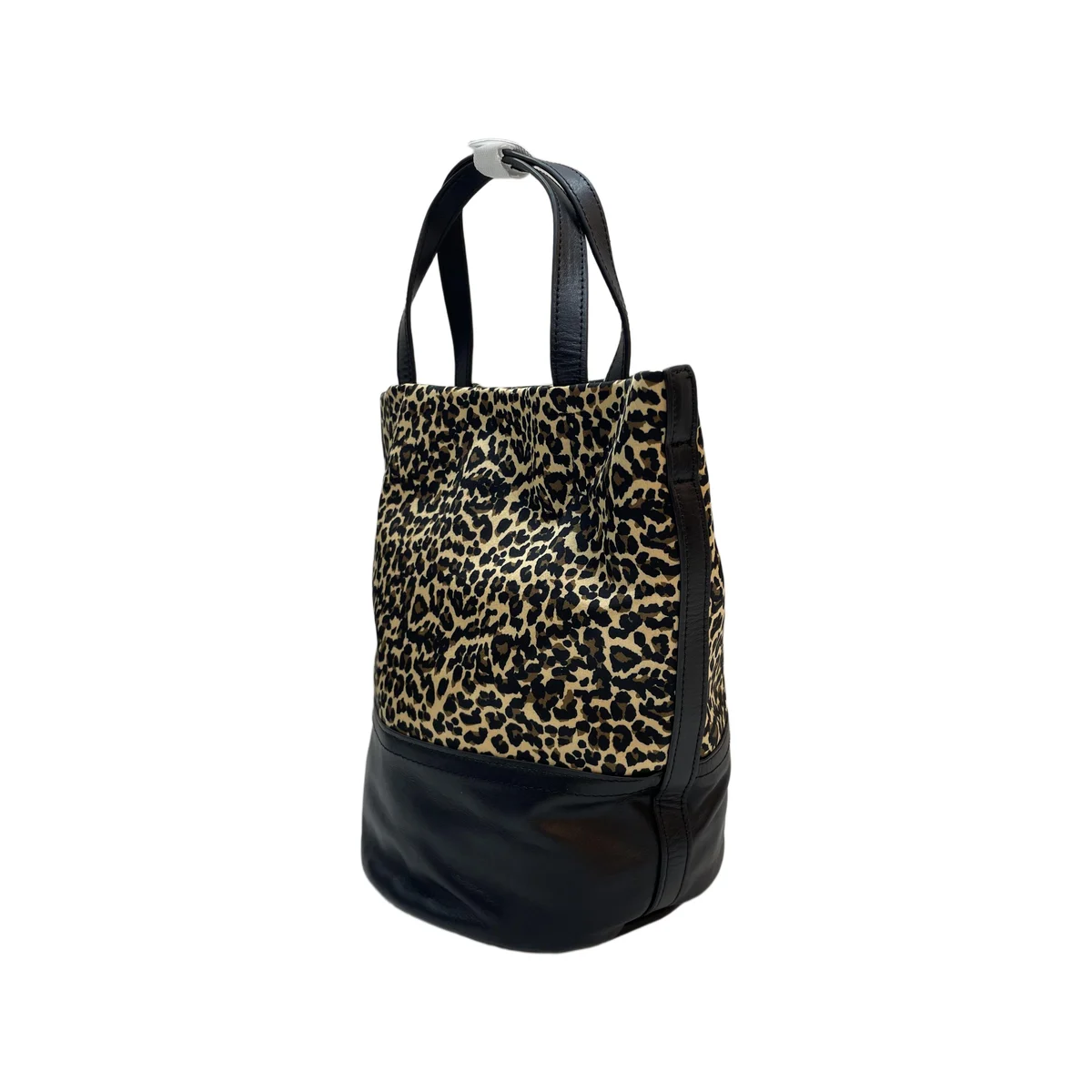
Custom Waterproof-Ready Genuine Leather Everyday Tote Bag
Get A Quote→WhatsApp
Custom Leather Tote with Foldable Body and Durable Base Seams
Get A Quote→WhatsApp
Custom Pleated Genuine Leather Everyday Tote with Logo Panels
Get A Quote→WhatsApp
Custom Genuine Leather Everyday Tote for Commuter Carry
Get A Quote→WhatsApp
Custom Woven Leather Tote Bag for Everyday Wholesale Use
Get A Quote→WhatsApp
Custom Soft Leather Everyday Tote with Adjustable Buckle Strap
Get A Quote→WhatsApp
Custom Heavy-Duty Leather Everyday Tote for Work and Travel
Get A Quote→WhatsApp
Custom Genuine Leather Wing Tote Bag for Workday Wholesale
Get A Quote→WhatsApp
Custom Classic Leather Tote Bag for Flexible Wholesale Carry
Get A Quote→WhatsApp
Custom Woven Leather Everyday Tote Bag for Work Retail
Get A Quote→WhatsApp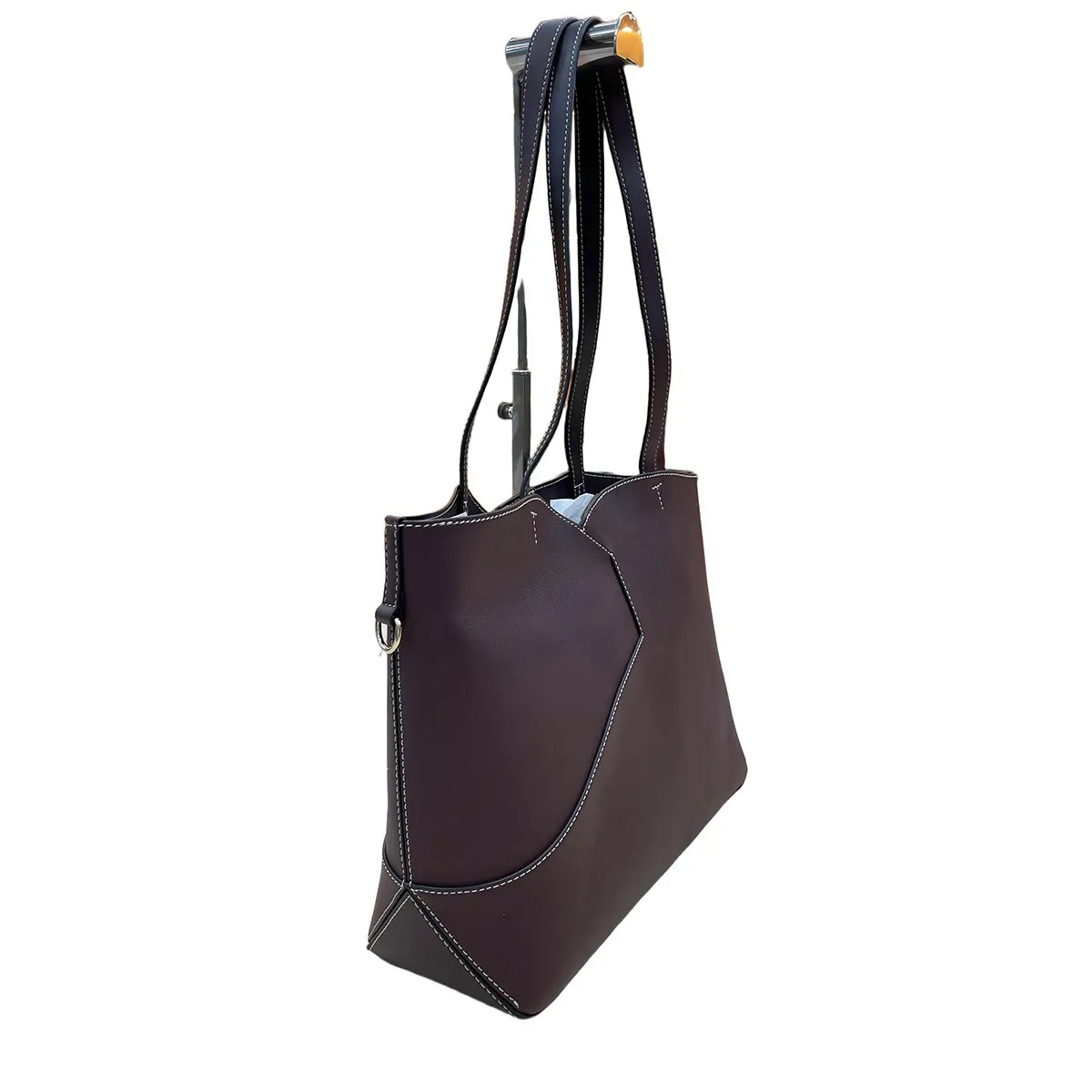
Custom Leather Work Tote Bag for Business Carry
Get A Quote→WhatsApp
Custom Canvas and Leather Tote Bag for Women s Everyday Carry
Get A Quote→WhatsApp
Custom Pebbled Genuine Leather Everyday Tote for Reorders
Get A Quote→WhatsApp
Custom Genuine Leather Shopper Tote for Casual Retail and Daily Carry
Get A Quote→WhatsApp
Custom Leather Shopper Tote Bag for Everyday Retail
Get A Quote→WhatsApp
Custom Genuine Leather Everyday Tote for Logo Programs
Get A Quote→WhatsApp
Custom Genuine Leather Multi-Pocket Tote Bag for Workdays
Get A Quote→WhatsApp
Custom Genuine Leather Everyday Tote for Retail and Private Label
Get A Quote→WhatsApp
Custom Soft Leather Everyday Tote Bag for Retail Collections
Get A Quote→WhatsApp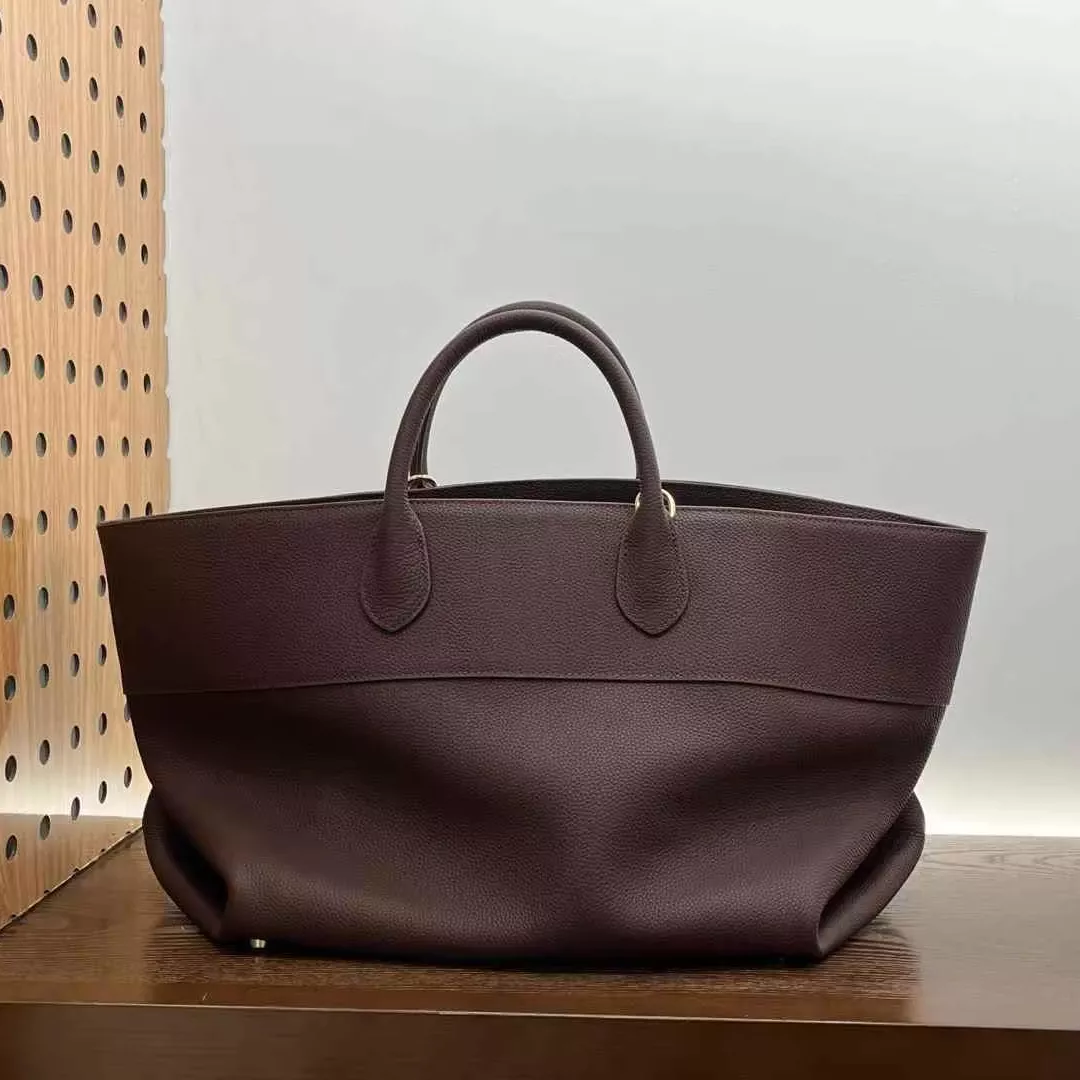
Custom Large Leather Everyday Tote with Stable Loaded Base
Get A Quote→WhatsApp
Custom Large Everyday Leather Tote for Flexible Work Carry
Get A Quote→WhatsApp
Custom Woven Leather Hobo Tote for Workday Carry
Get A Quote→WhatsApp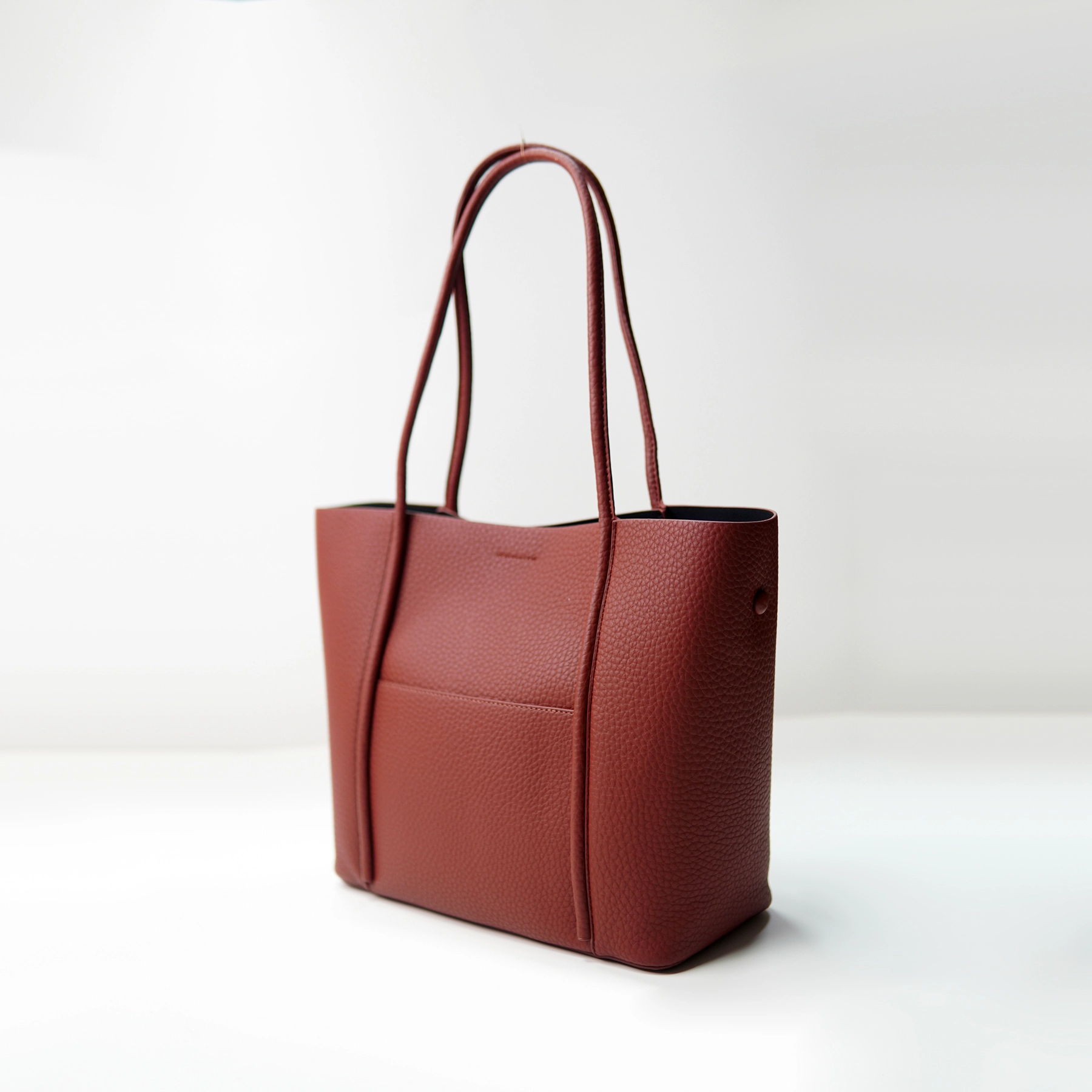
Custom Pebbled Leather Tote Bag for Consistent Reorder Programs
Get A Quote→WhatsApp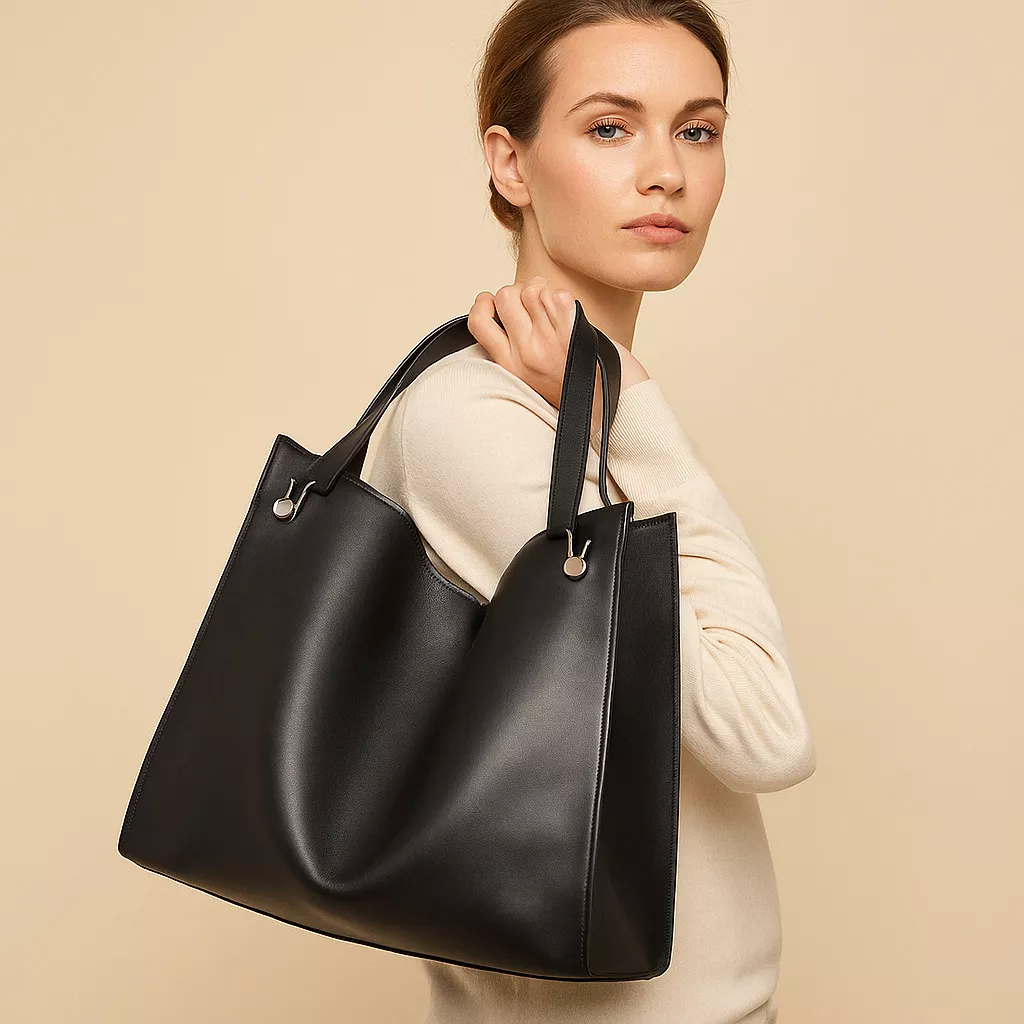
Custom Black Leather Tote Bag for Everyday Retail Collections
Get A Quote→WhatsApp
Custom Nylon and Leather-Trim Everyday Tote for Commuting
Get A Quote→WhatsApp
Custom Genuine Leather Bucket Tote for Everyday Carry
Get A Quote→WhatsApp
Custom Pebbled Leather Everyday Tote for Commuter Retail Collections
Get A Quote→WhatsApp
Custom Genuine Leather Everyday Tote Bag with Stable Base
Get A Quote→WhatsApp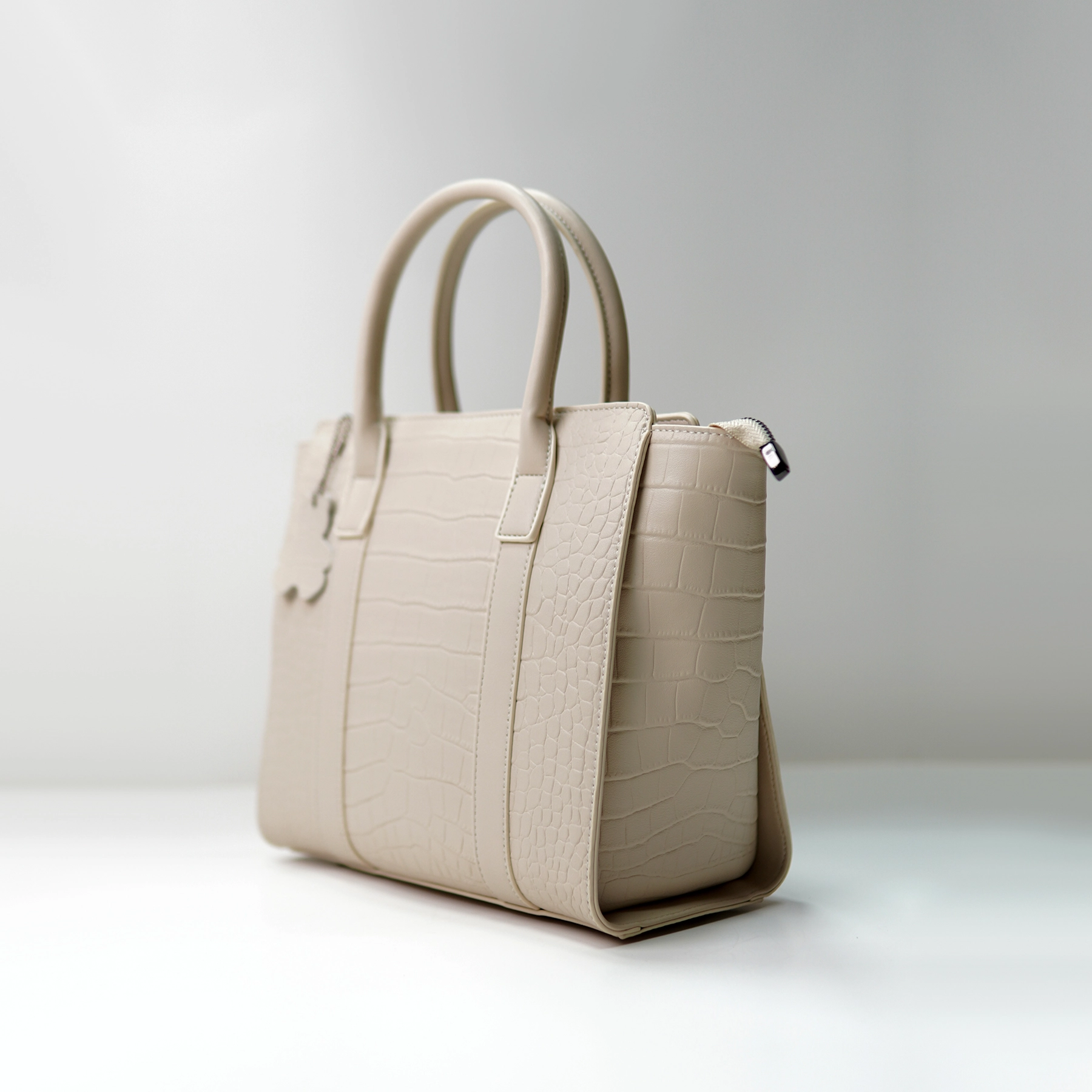
Custom Embossed Leather Everyday Tote with Broad Logo Panels
Get A Quote→WhatsApp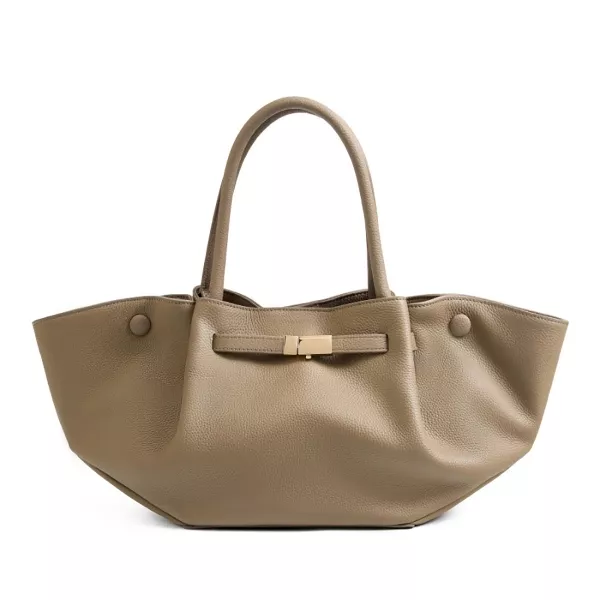
Custom Genuine Leather Large Everyday Tote with Foldable Structure
Get A Quote→WhatsApp
Custom Genuine Leather Everyday Bucket Tote for Women
Get A Quote→WhatsApp
Custom Black Pebbled Leather Tote for Retail and Work Carry
Get A Quote→WhatsApp
Custom Structured Leather Everyday Tote Bag for Wholesale
Get A Quote→WhatsApp
Custom Vegan Leather Everyday Tote Set for Workday Wholesale Programs
Get A Quote→WhatsApp
Custom Embossed Leather Everyday Tote for Flexible Loading Access
Get A Quote→WhatsApp
Custom Metallic PU Leather Everyday Shoulder Tote
Get A Quote→WhatsApp
Custom Black Leather Everyday Tote with Stable Base
Get A Quote→WhatsApp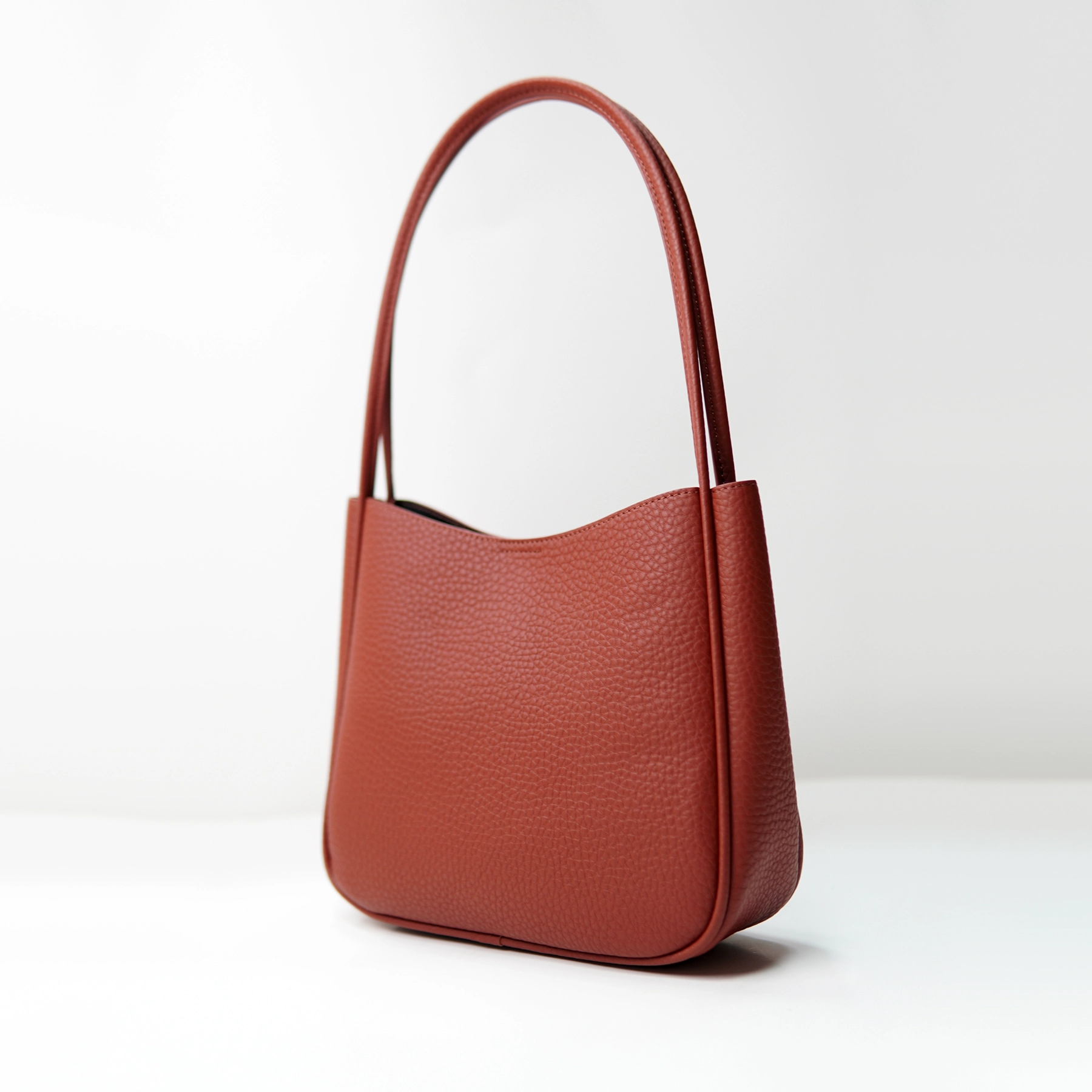
Custom Pebbled Leather Everyday Tote with Twin Handles
Get A Quote→WhatsApp
Custom Minimalist Leather Tote with Reinforced Shoulder Handles
Get A Quote→WhatsApp
Custom Woven Genuine Leather Tote for Stable Everyday Carry
Get A Quote→WhatsAppBag Color Collection Approval Advantages
Consolidate Pantone references, component selections, sample records, and written decisions into one production-ready approval standard.
Clear Color References
Record the Pantone system, color code, component location, and physical reference so vague shade names do not drive production decisions.
Aligned Component Choices
Review shell fabric, lining, webbing, zipper tape, hardware, labels, and decoration together to assess the complete bag color relationship.
Traceable Sample Records
Link each approved swatch, lab dip, trim, and sample version to the style and revision for clearer buyer and factory communication.
Stronger Bulk Handoff
Use approved material specifications and the pre-production sample as shared references when cutting, assembly, inspection, and packing begin.
More Consistent Reorders
Retained pattern, material, and approval records help repeat the agreed collection direction when buyers return for future production runs.
Bag Programs Built Around Color Control
Align shell, lining, webbing, hardware, trims, and branding across programs before sampling and component approval.
Bag Material Sourcing Service — 100-Piece MOQ | Yeenkran
Explore the verified related manufacturing and approval program.
Explore Program
Bag Quality Control Process for OEM Production | Yeenkran
Explore the verified related manufacturing and approval program.
Explore Program
Bag Quality Control Checklist: OEM Approval Guide 2026
Explore the verified related manufacturing and approval program.
Explore ProgramCustom Leather Tote Bag Manufacturer
Tote-specific leather panels, base support and handle reinforcement, not all leather handbags.
Explore ManufacturingMaterials for Bag Color Collection Approval

Cotton Canvas
A natural, tactile woven fabric for shoppers, totes and casual backpacks. Its structured hand feel and visible weave can influence perceived shade, so review the selected weight and color swatch together.
Nylon and Cordura Fabrics
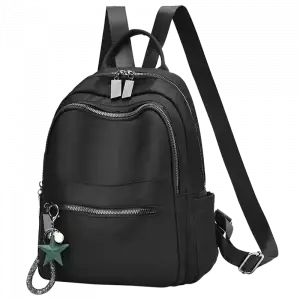
A smooth, durable option for travel, outdoor and commuter bags. Its relatively crisp hand feel and often dense surface can show tonal shifts differently across coated panels, webbing and zipper tape.
Polyester Fabric
A versatile synthetic fabric used across backpacks, sports bags and promotional styles. Available in varied weights and textures, polyester should be reviewed by exact construction because surface texture changes color appearance.

RPET Textiles
Recycled polyester textiles suit collections seeking recycled-material options for totes, backpacks and accessories. Confirm the intended hand feel, fabric weight and supplied color reference, as each construction creates its own visual result.

PU Vegan Leather
A smooth or textured alternative for structured handbags, small leather goods and trims. Its surface grain, gloss level and pliable hand feel affect color perception, especially when paired with lining and edge treatments.

Genuine Leather
A premium material for handbags, wallets and refined trim details, valued for its natural hand feel. Grain, finish and thickness vary by selection, so approve the physical leather swatch alongside the intended component.
Bag Color Collection Approval for Decoration and Logo Processes

Custom Embroidery
Stitched logos use selected thread colors, density and backing suited to the panel material. Review thread tone, edge definition, stitch coverage and puckering on the intended fabric before approving the component standard.

Screen Printing
Screen printing applies artwork directly to compatible bag panels for a clear graphic finish. Confirm ink color, coverage, edge sharpness and placement on the actual material, especially where fabric texture affects the visual result.

Heat Transfer
Heat transfer places detailed artwork onto prepared bag surfaces through a controlled application process. Approve color reproduction, fine-detail clarity, edge feel and adhesion appearance on the selected fabric or synthetic material sample.

Dye Sublimation
Dye sublimation supports all-over or detailed color graphics on suitable polyester-based components. Review the approved artwork, color direction, panel alignment and final visual effect on a production-representative substrate before bulk release.
Branded Labels
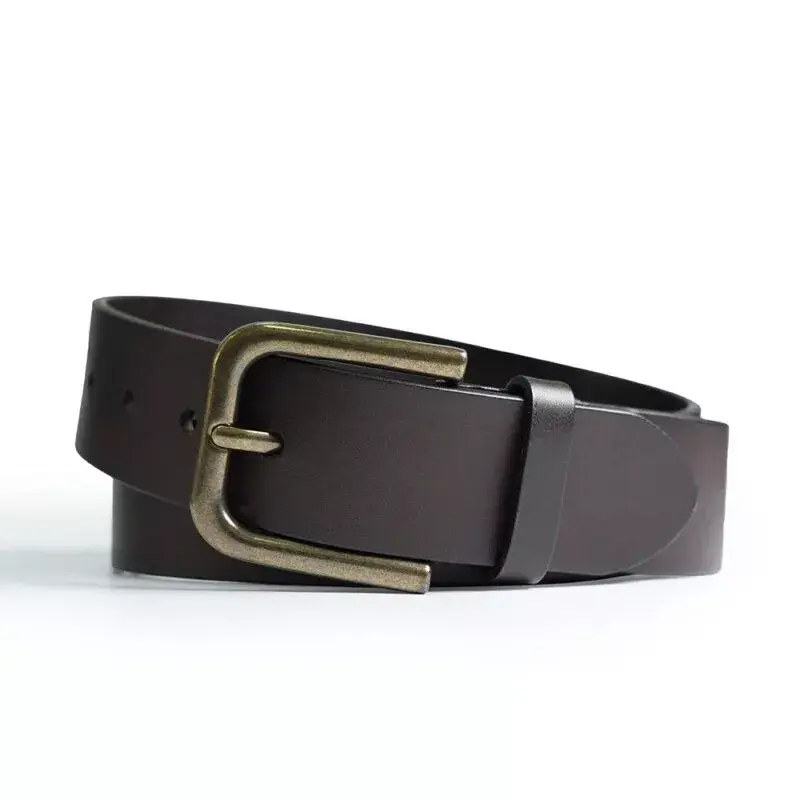
Woven, leather or metal labels add a durable brand touch to the finished bag. Include label color, finish, size, attachment method and exact placement in the bag color collection approval record for consistent reorders.
Bag Color Collection Approval for Trims and Accessories
Zippers and Pulls
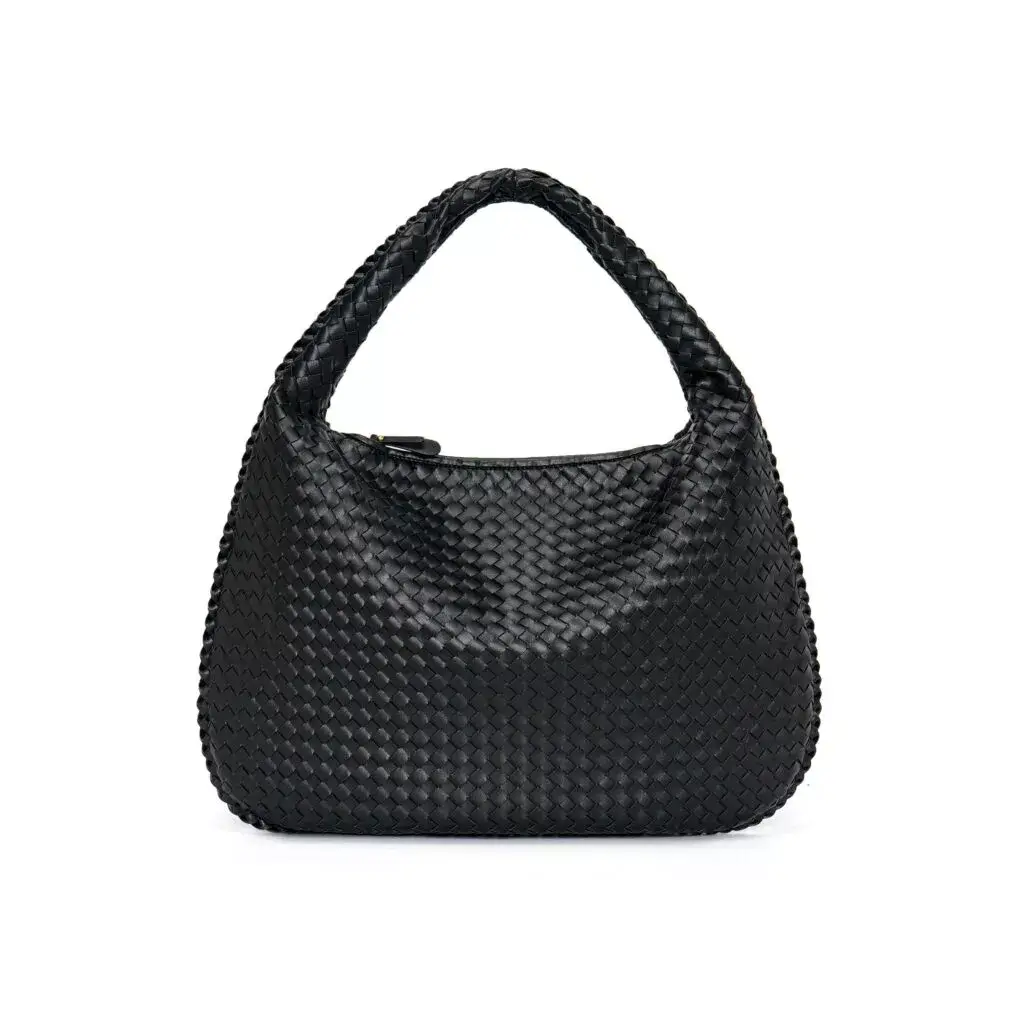
Confirm zipper tape color, teeth finish, slider finish and custom puller orientation alongside the main fabric. Review their placement on curved openings and pockets before the component approval is recorded.
Webbing and Binding
Compare webbing, binding tape and carry handles against the approved color reference. Specify the intended location, width, texture and edge appearance because these components frame panels and high-contact areas.
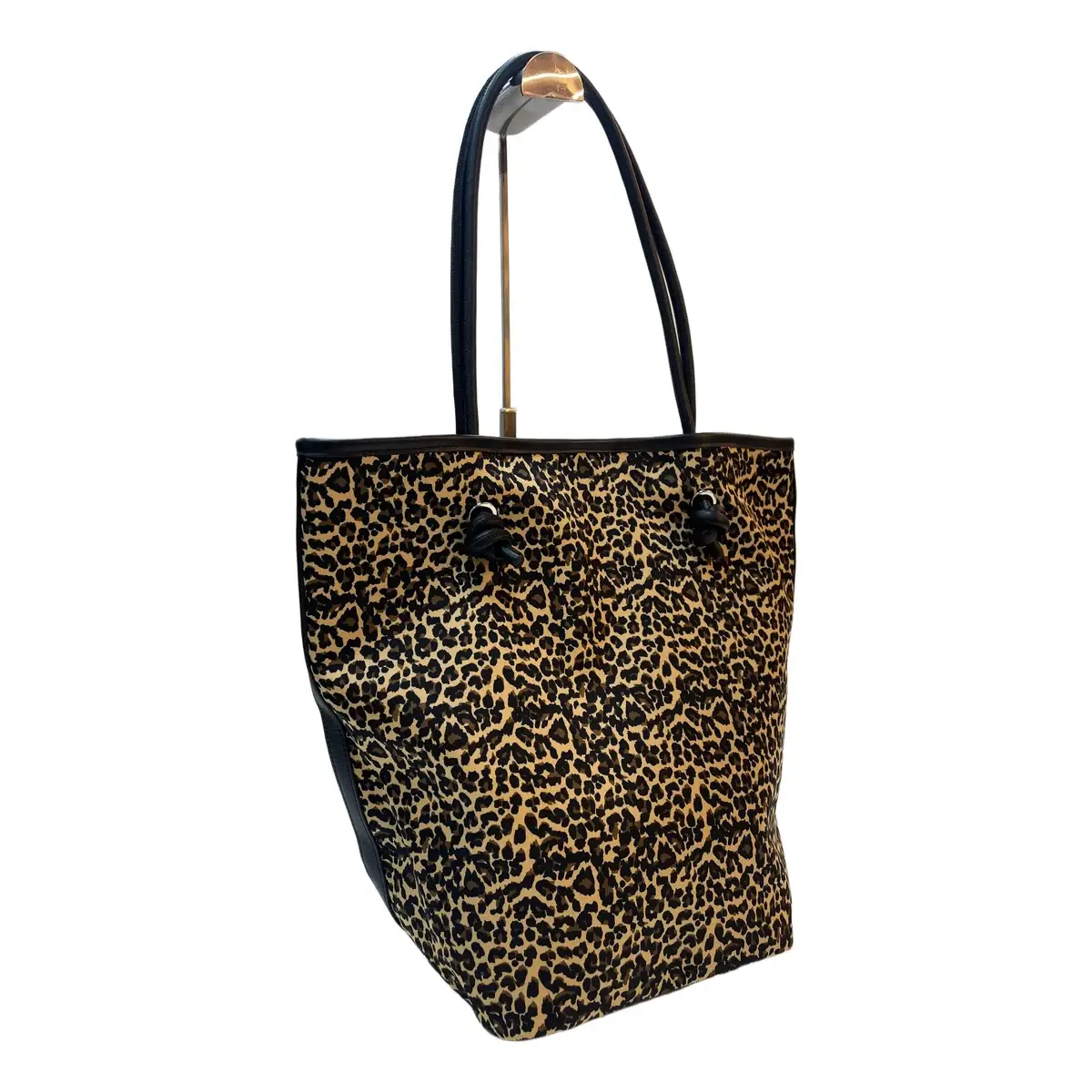
Buckles and Hardware
Review buckle color, D-ring finish, snaps, rivets and cord locks as a coordinated set. The approval should identify each hardware location and distinguish the proposed custom finish from the visible sample detail.
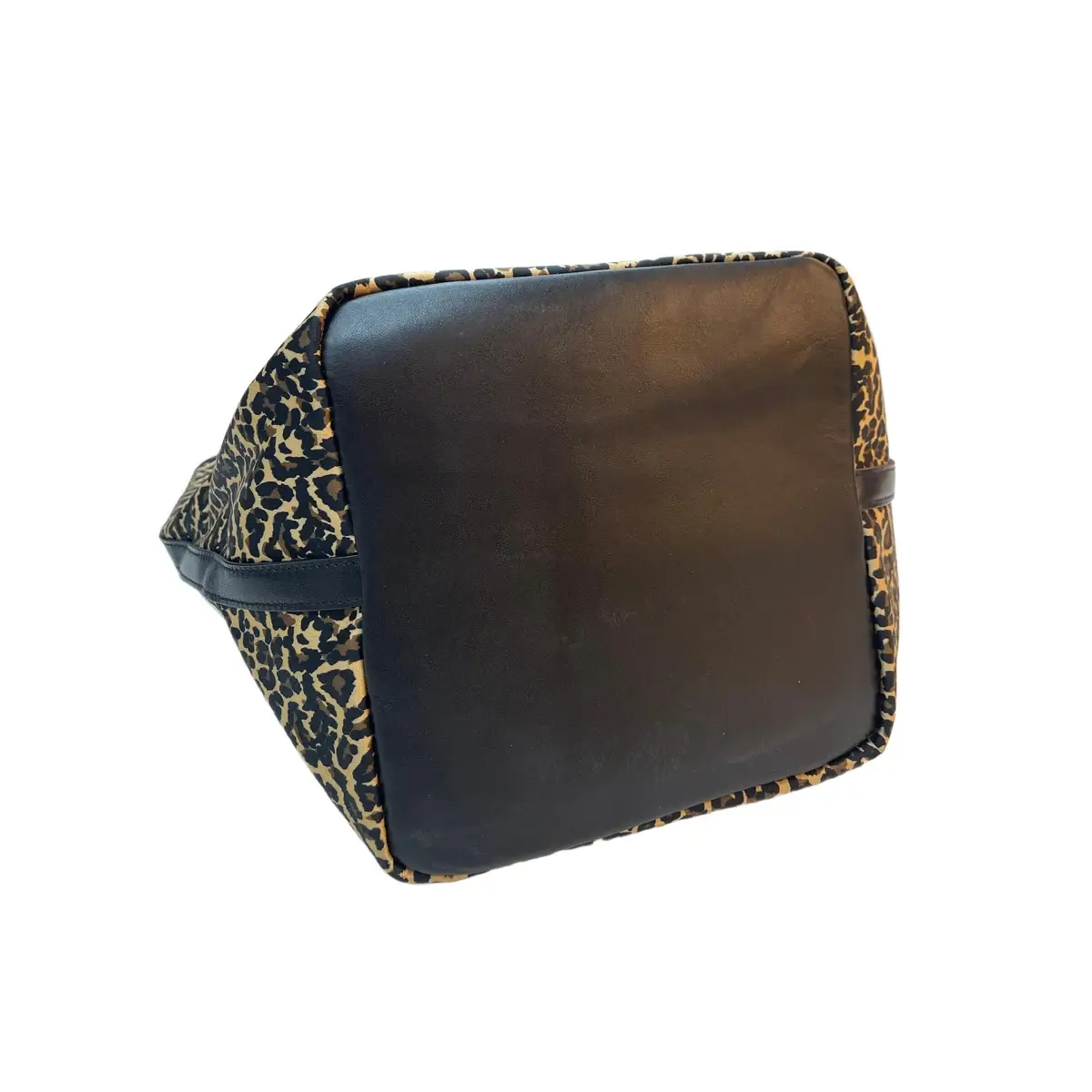
Woven Brand Labels
Approve woven label ground color, thread colors, artwork scale and sewing position with the bag components. This helps align brand identity across interior labels, exterior tabs and coordinated collection colorways.
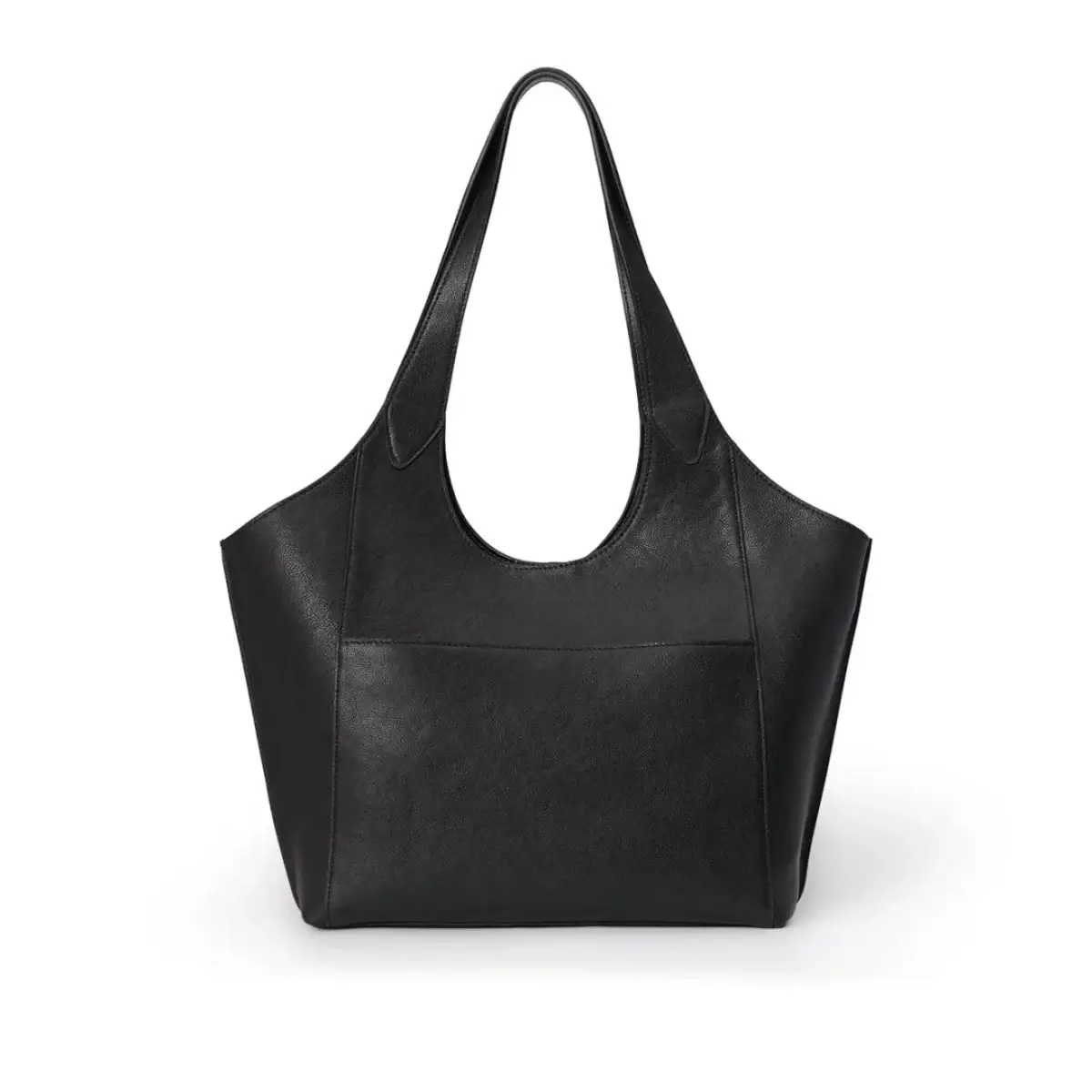
Hangtags and Packaging
Match hangtags, dust bags, branded boxes and export packing details to the approved collection direction. Record artwork, color reference, material and placement so packaging is reviewed as part of the complete presentation.
About Yeenkran’s Bag Development Team
Founded in Wuhan, Hubei, in 2010, Yeenkran is a custom bag and luggage manufacturer in China serving global brands, retailers, sellers and emerging labels. Our OEM, ODM, private-label and wholesale programs connect feasibility review, pattern engineering, material sourcing, sampling, production, quality control and export coordination so each program can move from an early concept toward repeatable bulk production.
For bag color collection approval, we turn Pantone references and buyer feedback into a component-level working record. Main fabric, lining, webbing, zipper tape, hardware, labels, logo execution and packaging are reviewed in relation to the intended bag, helping buyers avoid treating a color name or digital image as a complete production instruction.
Yeenkran supports backpacks, handbags, totes, travel bags, crossbody bags, tool bags and small leather goods, with MOQ starting at 100 units per style and color, subject to material minimums and construction complexity. Our in-house pattern development, sampling, cutting, sewing, finishing and quality control support practical revisions and more controlled reorders through retained pattern, material and sample records.
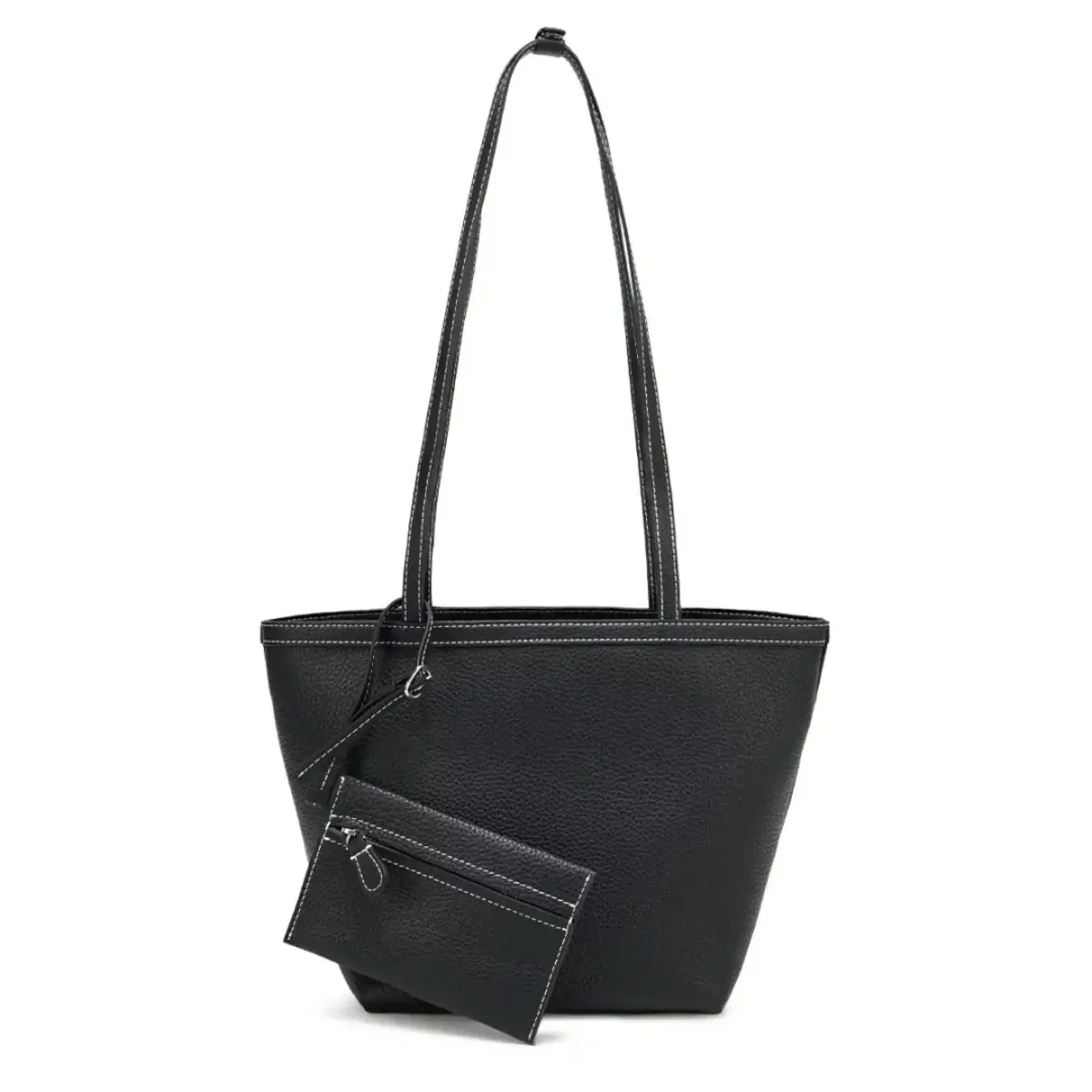
Bag Color Collection Approval: From Reference to Production Standard
Define One Controlling Reference
Start with a Pantone reference, physical swatch, or approved material sample, then identify exactly which reference governs each visible component. This prevents a broad color name from being interpreted differently across fabrics, linings, webbing, and trims.
- Record style number, component name, material code, and color reference
- Specify whether the reference is visual direction or final approval standard
- Confirm intended component placement before sampling
- Flag material availability and minimum considerations early

Match Materials and Trims
A coordinated bag colorway depends on more than the main body fabric. Yeenkran reviews lining, binding, webbing, zipper tape, thread, hardware, labels, and decoration together so buyers can assess the complete visual relationship before production release.
- Review main fabric alongside lining and reinforcement-facing materials
- Compare webbing, binding, zipper tape, and thread under the same brief
- Confirm hardware finish and logo treatment with the selected palette
- Use labeled swatches or component boards for clearer feedback

Review the Complete Sample
Photos can support discussion, but a physical sample gives buyers a better basis to assess hand feel, structure, color interaction, and decoration execution. For bag color collection approval, the sample should be reviewed as one assembled product rather than isolated swatches alone.
- Check color balance across assembled panels and carrying components
- Review logo execution using the intended production method
- Assess visible trim contrast, alignment, and finish
- Submit written corrections with the relevant sample or component reference

Retain the Approved Standard
Once approval is confirmed, Yeenkran retains the approved pattern, material specifications, and sample records to support consistent repeat orders. The retained record connects the buyer’s color decision with the construction and component details used for bulk production.
- Freeze the approved revision, material codes, and component selections
- Keep approval comments linked to the correct sample version
- Use the approved sample as a production and QC reference
- Reconfirm changes when a reorder uses different materials or components
Why Choose Yeenkran for Bag Color Collection Approval
A documented path from color reference and component review to an approved production standard.
← Swipe left or right to view →
Bag Color Collection Approval and Production Workflow
A documented sequence aligns materials, trims, samples and bulk inspection before shipment.
Review Project Feasibility
Share your design, target quantity, color direction and material needs. Yeenkran reviews construction, component options and MOQ feasibility before development proceeds.
Source Materials and Trims
Compare fabric, lining, webbing, hardware and decoration options using labeled references, including Pantone direction where relevant, for each visible component.
Approve Color Reference Set
Confirm the controlling swatches, component codes, artwork and written color notes. Physical samples support decisions where texture, finish or color interaction matters.
Build Pre-Production Sample
Yeenkran develops the approved construction and component combination into a sample for review of shape, color balance, hardware, decoration and assembly.
Produce and Inspect Bulk
Bulk production follows the approved pattern, material specifications and sample records. In-line checks and final inspection review construction, appearance, measurements and packing.
Verify Packing and Ship
Confirm agreed packaging, labels and export-carton requirements before balance settlement and shipping coordination, keeping the approved color-control records available for reorders.
Start Your Bag Color Collection Approval
Move from a reference to a documented production standard with aligned materials, trims, sampling, and bulk approval.
Share Your Project Reference
Send a tech pack, sketch, reference bag, mood board, or color direction with target quantity, intended use, branding needs, and packaging requirements for feasibility review.
Confirm Materials and Components
Review proposed shell, lining, webbing, zippers, hardware, labels, and decoration details against Pantone references or approved physical swatches before sample development proceeds.
Review the Development Sample
Check the sample’s shape, construction, color relationship, component finishes, logo result, and measurements. Record clear revisions so the approved specification can guide the next sample or production.
Approve the Bulk Standard
Confirm the final sample, material specifications, component references, and revision details as the production standard. Yeenkran retains approved records to support consistent manufacturing and reorders.
Documentation Checks for bag color collection approval
Request reports relevant to the approved shell, lining, coating, hardware or decoration for the bag color collection approval specification.
Review the factory, production and quality records that apply to the confirmed manufacturing program.
Define required declarations or testing before sampling so the quotation reflects the destination market.
When recycled or specifically sourced materials are selected, request supplier records matched to the actual order.
Confirm fiber, care, packaging, carton marks and labeling information for the buyer’s sales channel.
Buyer Approval Priorities for Bag Color Collections: Pantone References and Component Approval
Buyer review framework — not a named customer quote.
Confirm the Working Sample
Review the dimensions, access, construction, material references and branding decisions for this specific program before approving the sample.
Keep the Approval Evidence
Retain the agreed bill of materials, approved patterns, swatches and change records so the production team and buyer use the same reference.
Coordinate the Production File
Record sourcing, sewing, decoration, inspection and packing requirements in one project file rather than treating a reference photo as the specification.
Bag Color Collection Approval FAQ
Clear approval references help align fabrics, trims, decoration and production records before bulk manufacturing.
What should I send for bag color collection approval?
Is a Pantone reference enough for bag color collection approval?
How do you match fabric, lining, webbing and hardware colors?
Can I approve bag colors remotely from photos and videos?
What does bag color collection approval include before bulk production?
What is the MOQ for a custom colorway?
Can I request a revised sample if the color or component does not match?
How are payment, shipping and design confidentiality handled for a new project?
Bag Color Collections: Pantone References and Component Approval
A production-facing method for turning a color collection into a traceable bag approval package.
Start with one controlling color standard
A bag color collection should be approved as a system, not as a list of attractive swatches. The direct answer is to assign one controlling reference to every sellable colorway, then connect that reference to each visible and hidden component before bulk material is released. A Pantone reference can express the intended target, but it does not by itself establish how a particular fabric, coating, webbing, zipper tape, thread, print, or metal finish will appear.
For a private-label bag, define the colorway at style level: style number, colorway name, revision, customer-facing color name, controlling reference, and approved sample version.
What the reference must identify
The reference should state the color system, code, suffix or finish designation, revision date, owner, and precedence rule.
- Give each proposed colorway a unique internal code rather than depending only on a marketing name.
- State whether the target applies to a dyed substrate, printed surface, coating, painted hardware, or logo ink.
- Keep the approved reference with the approved material and trim board, not only in email threads.
Decide which components must match—and which may be deliberately different
A collection becomes inconsistent when the shell is treated as the only color decision. Build a component map that says whether each part must match the shell, coordinate within an accepted visual range, contrast intentionally, or remain a fixed standard color across the collection. This distinction matters because components use different substrates and coloration methods.
Specify the viewing priority.
Component decision matrix
Use the matrix during design review and repeat it for each colorway.
| Component | Color decision | Approval evidence | Common unresolved risk |
|---|---|---|---|
| Main shell | Primary target; identify dye, print, or coating route | Labeled physical swatch or cut panel against the controlling reference | Correct hue on a different base fabric may still change perceived depth |
| Lining | Match, coordinate, or fixed collection color | Material code, color submission, and location callout | Interior color is omitted from the final bill of materials |
| Webbing, binding, and handles | State match priority and edge treatment | Finished trim sample, not only loose yarn or webbing | Texture and sheen make an apparent match look different |
| Zipper tape and puller | Separate tape color from teeth, slider, and pull finish | Installed zipper sample showing open and closed views | A named zipper color can conceal different tape and hardware decisions |
| Thread and logo | Define whether blend-in, contrast, or brand color wins | Sewing trial and logo strike-off or equivalent execution sample | Thread can read as a line across panels; logo ink can shift by substrate |
| Hardware and labels | Name plating, coating, engraving, and label ground color | Physical finish chip or installed component sample | Metal reflection and label texture cannot be concluded from artwork alone |
Choose the right submission for each approval question
Do not ask one sample to answer every question. A lab dip, strike-off, trim cutting, prototype, and production-intent sample have different purposes. The buyer’s approval record should state what is being approved and what remains open. A lab dip or color cutting can support a material-color decision; it does not necessarily prove bag construction, logo placement, zipper operation, or the relationship among all components.
Submission comparison
Approve the smallest relevant item early, then approve the combined appearance before production release.
| Submission | Answers well | Does not settle by itself | Buyer action |
|---|---|---|---|
| Digital artwork or rendering | Color direction, logo layout, collection coordination | Physical appearance, hand feel, construction, or material identity | Mark as concept review only and retain source file version |
| Lab dip, swatch, or color cutting | Candidate color on the intended material | Full bag appearance or trim coordination | Approve or reject against the named controlling reference |
| Print or logo strike-off | Artwork reproduction on the intended substrate | Complete bag assembly or durability | Check placement, ground color, and version against artwork |
| Trim board | Component identities and visual relationship across parts | Finished sewing quality or functional assembly | Require each item to be labeled and attached in its intended pairing |
| Prototype or pre-production sample | Combined colorway, construction, and component placement | Automatic authorization for changed bulk inputs | Compare every visible component to the approved board and record exceptions |
Control light, viewing conditions, and digital files without overclaiming accuracy
Color judgments change with illumination, surface texture, gloss, surrounding colors, camera settings, and display calibration. Therefore, set a repeatable review condition instead of treating a phone image as the standard. Record the date, reviewer, location or light condition, items compared, and whether the decision was physical or digital.
Digital files are still useful for identification. Lock the artwork filename, colorway code, revision, and output profile or file format used for communication. Attach screenshots only as a routing aid.
Remote-review record
When approval is remote, request labeled, unfiltered images of the submitted items together and separately, plus views that identify the material or trim code.
- Name the light condition used for the review instead of making an unverified equivalence claim.
- Show the front and reverse of material where relevant, plus an installed view for functional trims.
- Do not approve from compressed chat images when the unresolved issue is exact color, sheen, texture, or finish.
- Put comments on a numbered approval sheet so an email reply cannot be detached from the submission version.
Build an approval board that can survive material substitutions
The strongest practical control is a color approval board or digital register backed by retained physical references. It connects every material and trim to a style and colorway, allowing a buyer to see whether a proposed substitution changes the final visual result. Each line should identify supplier or internal material code, component name, construction or finish descriptor, color reference, approved submission version, and status.
A substitution is a new decision, even when the proposed component carries the same color name.
Approval-board minimum fields
Use one row per component-color combination.
- Style number, bag view or location, colorway code, and component name.
- Material or trim code; composition and construction only when confirmed in the submitted specification.
- Controlling color reference, target relationship, submission type, and sample version.
- Approval status, comments, approving person, date, and required follow-up item.
- Change-control flag stating whether bulk may proceed or needs renewed approval.
Use color approval to make the manufacturing conversation specific
For Yeenkran, frame a color-collection inquiry as an OEM, ODM, or private-label bag project with its own approved material and craft minimums. The company reports in-house pattern development, sampling, cutting, sewing, finishing, and QC, but that company-reported capacity is not independent verification and should not substitute for your approval plan. It also reports that MOQ starts at 100 units per style and color, subject to approved material and craft minima.
Questions to resolve before approving a collection
These questions turn a general request for “Pantone matching” into an actionable review sequence.
- Which shell, lining, webbing, zipper, thread, logo, label, and hardware components will receive separate color submissions?
- What internal material and trim codes will appear on the approval board and finished sample?
- Which proposed component has a material or craft minimum that could affect the stated starting MOQ?
- Can the manufacturer retain and reference the approved board and sample version for the order?
- What change-notification process applies if an approved material or component becomes unavailable?
- Which color decisions can be screened digitally, and which require a physical submission under the buyer’s program?
Send an RFQ that is ready for a color-control decision
A useful RFQ gives the manufacturer enough information to assess material availability and prepare the correct submissions, while preserving the buyer’s right to approve the final color package. Send one workbook or PDF with a clear version number rather than scattered messages. Use an explicit deadline only if it is your own planning requirement; do not convert an unconfirmed schedule into a promised lead time.
Exact RFQ inputs and final release checklist
Complete every applicable field.
- Buyer company, contact, shipping destination, intended market, and project confidentiality requirement if any.
- Bag category, style number, dimensions, construction drawings or reference images, and requested quantity by style and colorway.
- Colorway code and customer-facing name; exact Pantone system, reference code, suffix, and whether a physical swatch is enclosed.
- Component map covering shell, lining, trim, webbing, handles, zipper tape and hardware, thread, logo, labels, reinforcements, and packaging if color-critical.
- Material specifications and preferred alternatives, with any confirmed composition, backing, finish, texture, or print method requirements.
- Artwork files, logo color instructions, placement drawings, and a hierarchy for conflicts among artwork, physical swatch, and written specification.
- Requested submission list: swatches or lab dips, strike-offs, trim board, prototype, and assembled approval sample; identify which require physical dispatch.
- Required labels on every submission: style, component, material code, colorway, revision, date, and intended location.
- Approval authority, comment deadline, acceptance wording, rejected-sample return or retention instruction, and reapproval rule for substitutions.
- Ask for MOQ implications, availability assumptions, sampling charges if any, and timing estimates as a quotation response—not as pre-agreed facts.
Start Your Bag Color Collection Approval With Yeenkran
Send your tech pack, Pantone references, component list, or concept to discuss sampling and a custom bag quote.