
Bag Quality Control Checklist for OEM-Ready Production
Build a bag quality control checklist covering patterns, materials, samples, production checks, and branded packing before bulk approval.
Product Directions for bag quality control checklist


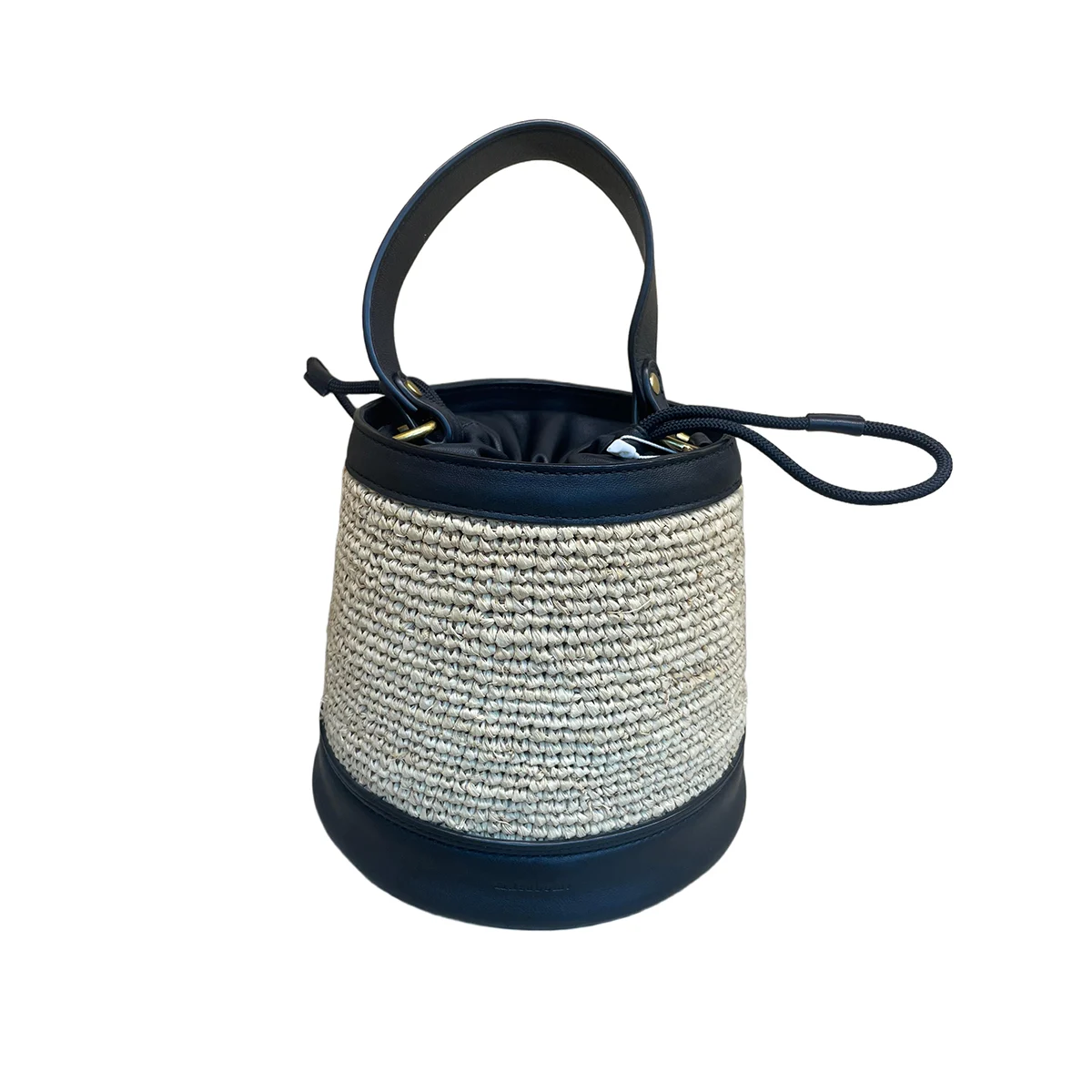


Explore Products for bag quality control checklist
Browse published Yeenkran product directions, then send your material, size, branding and quantity requirements for an OEM/ODM quotation.




Bag Quality Control Checklist Checkpoints That Protect Your Launch
Define the details before bulk production so approved samples translate into repeatable, inspection-ready bags.
Material Standards
Approve fabric, lining, foam and structural materials by hand feel, weight, color, performance and swatches before cutting begins.
Construction Details
Document seam allowances, reinforcement points, pocket assembly, strap attachment and edge finishing to prevent inconsistent workmanship across production.
Hardware Approval
Confirm zipper operation, buckle strength, puller finish, rivet placement and hardware color against the approved sample and specification.
Measurement Tolerances
Set finished dimensions, capacity-critical measurements and acceptable tolerances so patterns and production checks follow the same reference.
Branding Review
Approve logo position, artwork, embroidery, print, labels and patches before bulk production to protect brand presentation and readability.
Packing Requirements
Specify dust bags, hangtags, inserts, branded boxes and export-carton requirements to ensure bags arrive retail-ready and protected.
Bag Categories We Develop and Inspect
Build a category-specific quality control checklist around construction, materials, fit, hardware and packing before sampling and bulk production.

Custom Backpack Manufacturer
As a custom backpack manufacturer, Yeenkran reviews capacity, pocket layout, strap anchoring, padded backs, zippers and load-bearing seams. Your checklist can define measurements, reinforcement points, fabric weight, hardware function and appearance standards before sample approval.
Request a Custom Bag Quote
Custom Handbag Manufacturer
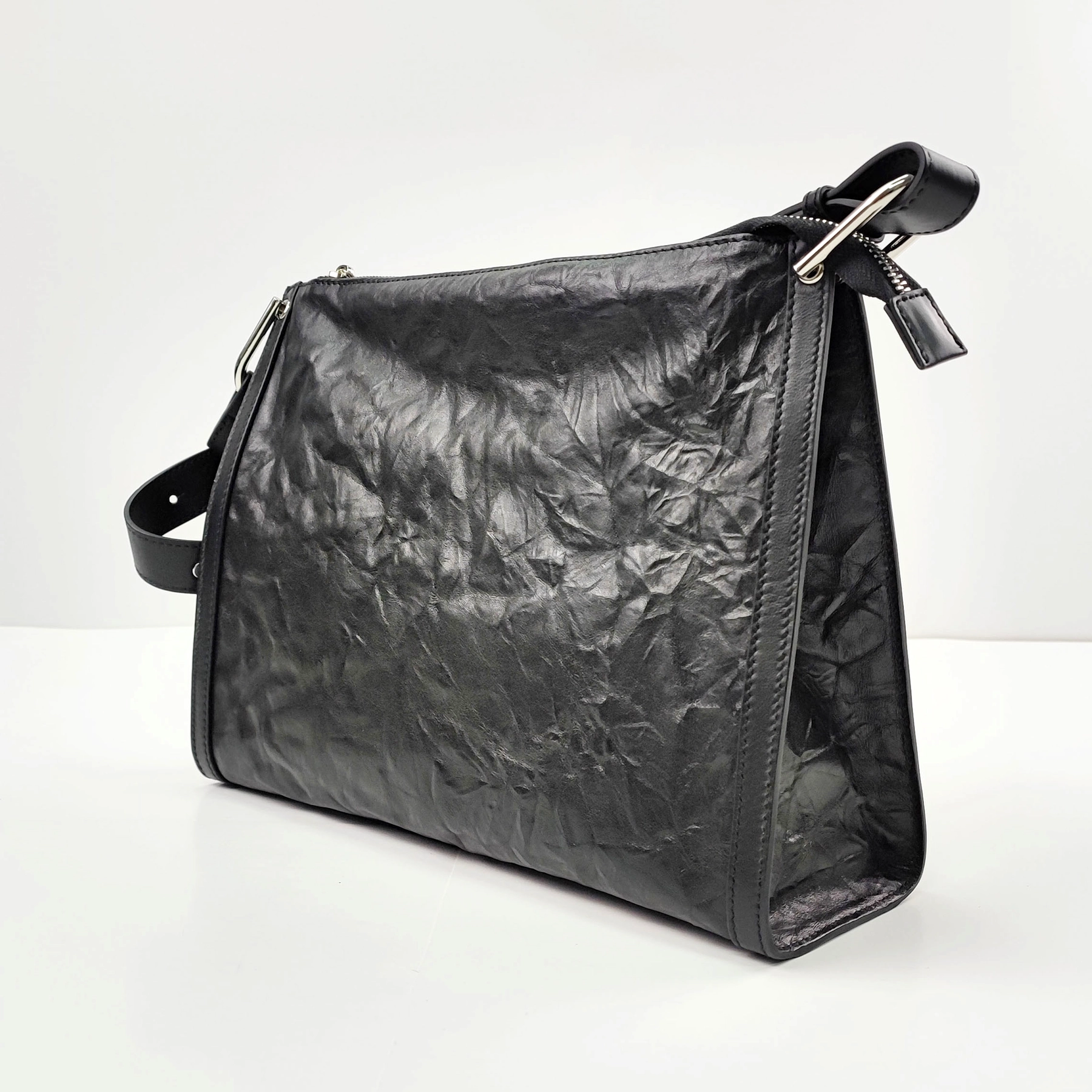
As a custom handbag manufacturer, Yeenkran develops patterns for shape retention, handle placement, lining, closures and finishing. Buyers can set inspection points for dimensions, symmetry, edge treatment, hardware alignment, PU, vegan or genuine leather appearance, and branded details.
Request a Custom Bag Quote
Custom Tote Bag Manufacturer
As a custom tote bag manufacturer, Yeenkran helps buyers specify body fabric, gusset construction, handle length, internal organization and carrying capacity. Quality checks should cover seam reinforcement, print or embroidery placement, color consistency, handle attachment and retail-ready packing.
Request a Custom Bag Quote
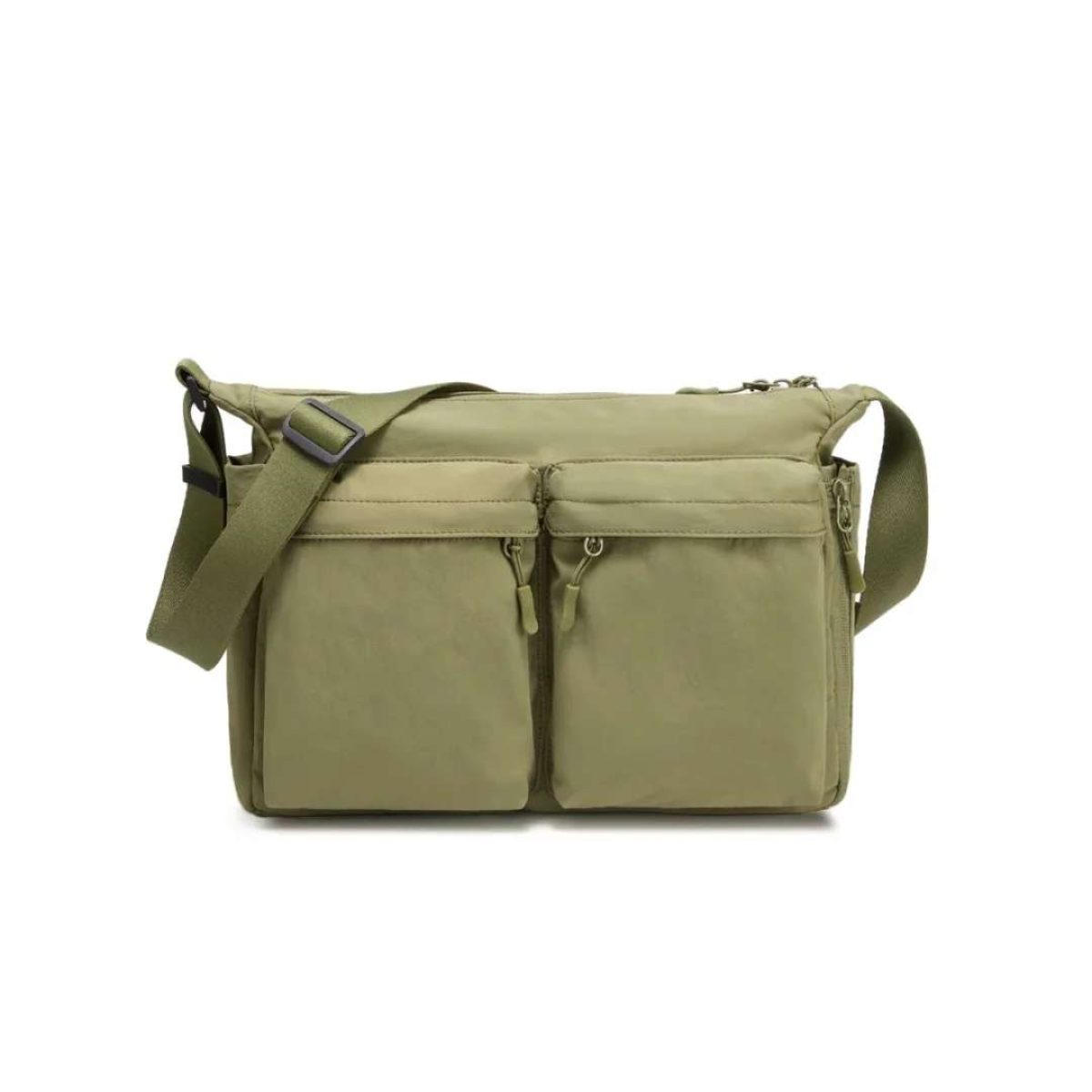
Custom Crossbody Bag Manufacturer
As a custom crossbody bag manufacturer, Yeenkran evaluates strap adjustment, attachment points, compartment access, zipper operation and silhouette. A practical checklist confirms strap length range, hardware finish, pocket dimensions, alignment, abrasion-prone areas and final appearance against the approved sample.
Request a Custom Bag QuoteCustom Travel Bag Manufacturer
As a custom travel bag manufacturer, Yeenkran plans capacity, opening construction, carry handles, shoulder straps, lining and reinforcement for repeated use. Inspection criteria can cover load-bearing seams, zipper travel, webbing strength, base structure, dimensions, weight and packing protection.
Request a Custom Bag Quote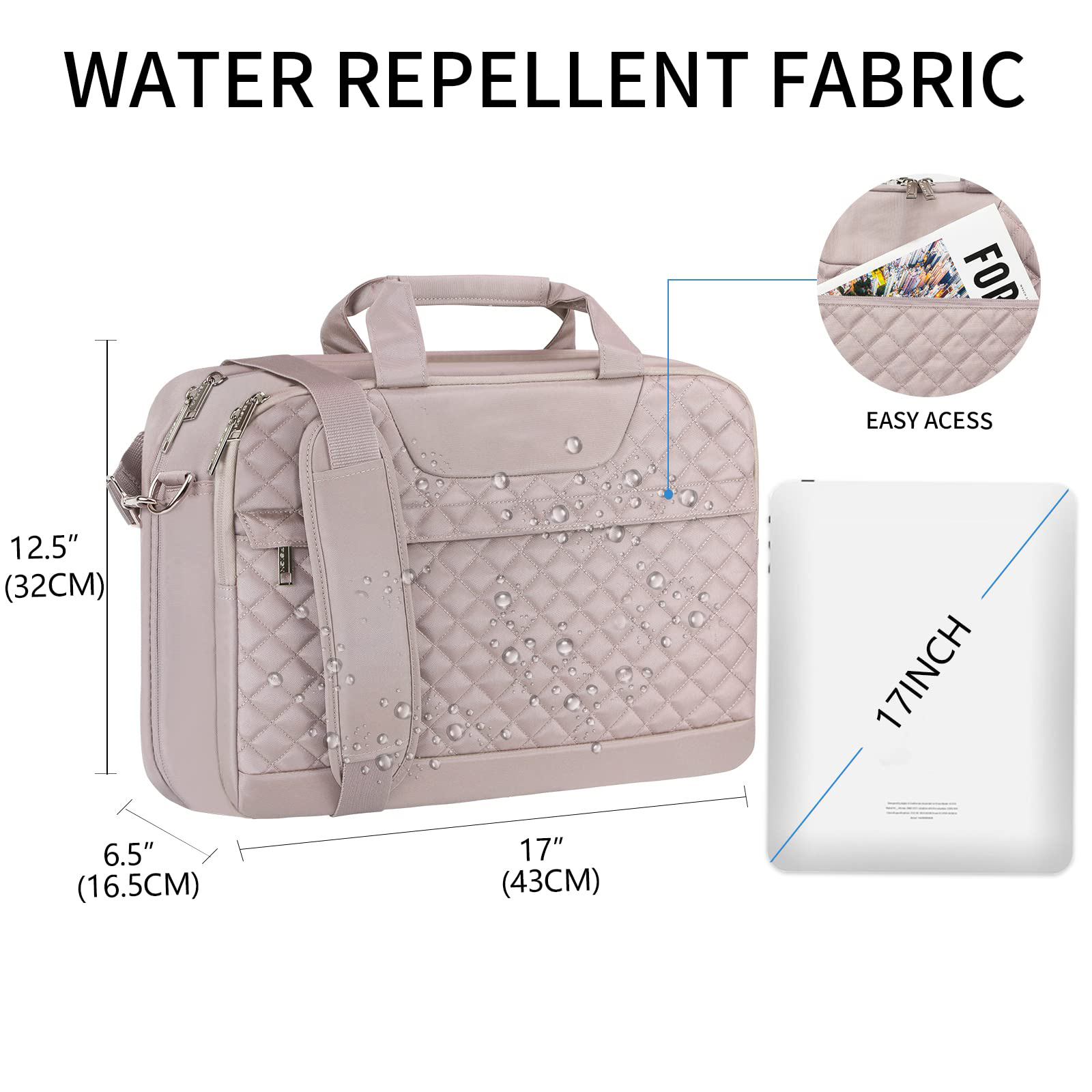
Custom Laptop Bag Manufacturer
As a custom laptop bag manufacturer, Yeenkran develops padded compartments, device-fit dimensions, internal pockets, handles and shoulder straps around the intended laptop size. Your checklist should verify padding coverage, measurement tolerances, zipper clearance, compartment function, seam reinforcement and hardware operation.
Request a Custom Bag Quote
Custom Gym Bag Manufacturer
As a custom gym bag manufacturer, Yeenkran can develop duffel, sports and compartment-led designs with wet, shoe or accessory storage. Buyers should approve capacity, ventilation details, lining, strap construction, zipper performance, decoration placement and stress-point reinforcement before production.
Request a Custom Bag Quote
Custom Fanny Pack Manufacturer
As a custom fanny pack manufacturer, Yeenkran focuses on waist or sling fit, adjustable webbing, buckle function, pocket access and compact construction. Quality control should confirm strap adjustment range, buckle engagement, zipper smoothness, webbing ends, seam quality, dimensions and logo placement.
Request a Custom Bag QuoteMaterials to Specify in Your Bag Quality Control Checklist

Cotton Canvas
A firm, natural-feeling woven fabric for tote bags, shoppers and casual backpacks. Specify fabric weight, coating requirements and color consistency; heavier canvas generally improves structure and abrasion resistance while adding weight.

Oxford Cloth
A textured, practical fabric commonly used for school, commuter and travel bags. Confirm denier, backing, water-resistant treatment and hand feel, because construction and coating choices affect durability, stiffness and target cost.

Nylon Fabrics
A smooth, lightweight material suited to travel, outdoor, camera and technical bags. Review denier, weave, lining and water resistance; higher-density nylon can improve abrasion performance but may change drape and pricing.
Polyester Fabrics
A versatile synthetic option for backpacks, promotional totes, sports bags and linings. Approve weight, surface finish, color standard and backing, balancing dependable shape retention and cost against the desired premium hand feel.
RPET Textiles
Recycled polyester textiles for brands prioritizing recycled-material options in totes, backpacks and lifestyle bags. Evaluate weight, weave, color and hand feel alongside order-specific sourcing documentation and performance requirements before approval.

PU and Leather
PU, vegan leather and genuine leather support structured handbags, wallets and premium trims. Define grain, thickness, backing, color and edge finish; each choice affects softness, shape retention, wear behavior and material cost.
Bag Quality Control Checklist: Decoration and Construction Processes

Custom Embroidery
Stitched logos, patches, and dimensional artwork add texture and long-term visual definition. Approve thread colors, stitch density, backing, placement, edge coverage, and any puckering tolerance on the production sample before release.

Screen Printing
Screen printing applies defined artwork directly to suitable bag panels for a clean, scalable branded finish. Record ink colors, print location, artwork size, opacity, registration, curing standard, and acceptable adhesion on the approved sample.

Heat Transfer
Heat transfer places detailed graphics, logos, or multicolor artwork onto compatible fabrics with controlled heat and pressure. Buyers should approve transfer color, edge clarity, placement, wash or rub performance, and surface feel before bulk production.
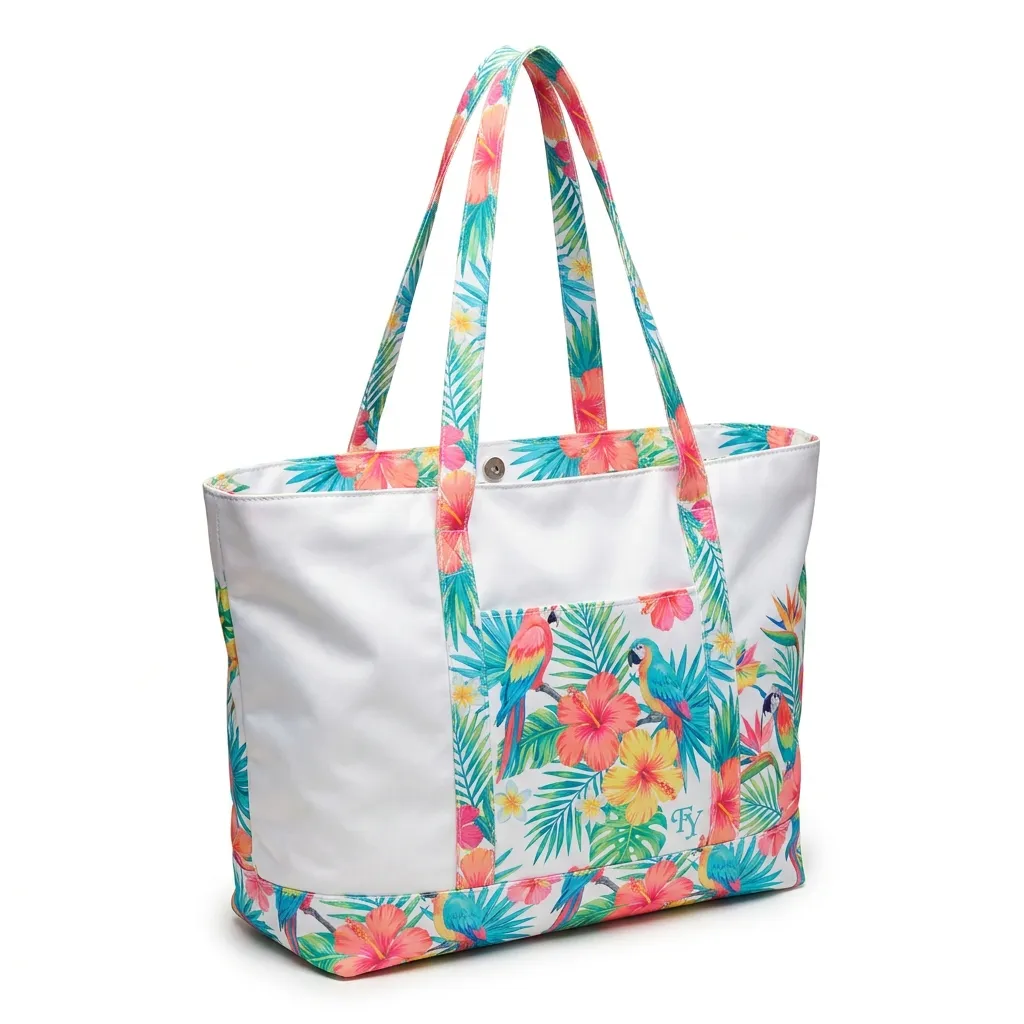
Dye Sublimation
Dye sublimation creates integrated, full-color artwork on compatible polyester-based materials without a raised print layer. Confirm artwork scale, color matching, panel alignment, seam continuity, and print consistency using a representative production sample.

Laser Engraving
Laser engraving produces precise branding on suitable leather, vegan leather, or selected components. Specify logo file, engraving depth, contrast, placement, edge cleanliness, and variation limits, since material grain and color affect the finished mark.

Reinforced Assembly
Reinforced assembly strengthens load-bearing areas through controlled sewing, webbing installation, padding, bonding, and hardware attachment. Document stitch count, reinforcement locations, strap pull expectations, seam appearance, measurements, and final function checks in your checklist.
Bag Quality Control Checklist: Hardware and Branding Components to Approve

Zippers and Pulls
Approve zipper brand or specification, tape color, tooth finish, pull shape, logo artwork and opening smoothness. Check that zipper length, end stops and pull direction match the approved sample on every compartment.

Buckles and D-Rings
Specify buckle material, finish, color, load requirement and placement for adjustable straps, closures and attachment points. Inspect for scratches, sharp edges, secure installation and consistent plating across the production batch.

Webbing and Straps
Confirm webbing width, thickness, weave, color, hand feel and tensile needs before approval. Review strap length, stitch reinforcement, adjustment range and alignment so carrying performance remains consistent during repeat production.

Woven Brand Labels
Approve label dimensions, yarn colors, logo clarity, fold type and sewing position against the artwork file. Verify clean edges, readable branding and secure stitching without puckering the bag fabric or lining.

Hangtags and Packaging
Review hangtag stock, print colors, barcode data, attachment method, dust bags, boxes and export carton marks. A packing checklist should confirm quantities, protection and retail-ready presentation before final shipment inspection.
About Yeenkran Bag Manufacturing
Founded in Wuhan, China, in 2010, Yeenkran helps global bag brands turn early concepts, reference samples, sketches, and tech packs into production-ready products. Our mission is practical: make development decisions clear before bulk production, so buyers can approve their bag quality control checklist with confidence.
Our one-stop bag manufacturing workflow supports OEM, ODM, private-label and wholesale programs, with low-MOQ production from 100 units per style and color, subject to confirmed material minimums and construction requirements. It connects pattern making, material and hardware sourcing, sampling, manufacturing, inspection, branded packaging and export coordination.
What differentiates Yeenkran is hands-on bag structure development. We retain approved patterns, material specifications, and sample records to support consistent repeat orders, while reviewing measurements, carrying systems, reinforcement, hardware, decoration, appearance, and packing at the checkpoints that matter to your project.

How Yeenkran Builds Every Bag Quality Control Checklist
Engineer the Structure First
Yeenkran turns your tech pack, sketch, reference sample, or concept into production-ready patterns. Before sampling, we review dimensions, load needs, pocket layout, strap placement, reinforcement points, and assembly sequence so quality requirements are workable on the factory floor.
- Confirm finished measurements and practical tolerances
- Identify stress points for reinforced seams or bartacks
- Approve carrying-system fit, foam, and panel structure
- Record construction details for repeatable reorders
Source Materials and Hardware Precisely
Material and trim choices determine how a bag performs, looks, and ages. We help buyers compare fabrics, linings, webbing, zippers, buckles, and branding components against hand feel, weight, abrasion needs, water resistance, color, target cost, and order-volume minimums.
- Approve fabric weight, color, coating, and backing
- Check zipper operation, puller finish, and hardware color
- Match webbing, lining, labels, and logo treatments
- Confirm material minimums before bulk quotation

Approve Samples Before Bulk
A pre-production sample is the buyer’s most important checkpoint before bulk manufacturing. Yeenkran uses approved patterns, material specifications, and construction records to align the production standard, helping teams catch measurement, shape, decoration, and usability issues before cutting begins.
- Compare the sample against approved dimensions and capacity
- Review logo position, color, and decoration quality
- Test pockets, closures, straps, and hardware function
- Sign off on materials, packaging, and revision notes

Inspect During and After Production
Your bag quality control checklist should continue through production and packing. Yeenkran conducts incoming material inspection, in-line construction checks, measurement and weight review, decoration inspection, final appearance checks, and packing verification against the approved sample and order specifications.
- Inspect cutting, stitching, reinforcement, and hardware installation
- Verify measurements, weight, and functional operation
- Review surface defects, loose threads, and decoration placement
- Confirm labels, polybags, cartons, and export packing

Bag Quality Control Checklist: A Structured Buyer Workflow
Compare documented development, approval and inspection checkpoints with a fragmented supplier process.
← Swipe left or right to view →
Bag Quality Control Checklist: From Feasibility to Export
Yeenkran converts approved specifications into controlled bulk production through documented material, construction, appearance and packing checkpoints.
Review Project Feasibility
Confirm use case, dimensions, target price, capacity, materials, hardware, decoration and packaging requirements before patterns, tolerances and quotation inputs are finalized.
Approve Materials and Samples
Compare sourced fabrics, linings, foam, trims and hardware, then approve swatches and production-ready samples against the agreed construction and visual standard.
Control Cutting and Assembly
Cut approved materials to retained patterns and monitor sewing, reinforcement, strap assembly, hardware installation and decoration as production moves through each operation.
Perform In-Line Quality Checks
Check critical measurements, seam strength, alignment, pocket placement, zipper function, weight and workmanship during assembly so issues are corrected before finishing.
Verify Final Inspection and Packing
Review finished appearance, dimensions, decoration, hardware, cleanliness and quantity, then verify hangtags, dust bags, branded packaging and export-carton packing requirements.
Coordinate Release and Export
Confirm inspection completion, balance-payment requirements and shipping details before export coordination, helping buyers receive bulk bags aligned with their approved reference sample.
Work Through Your Bag Quality Control Checklist
Move from an early concept to repeatable bulk production with documented approvals at each decision point.
Submit Your Project Brief
Send a tech pack, sketch, reference sample, or concept with target price, dimensions, materials, capacity, branding, packaging, and expected order quantity.
Confirm Feasibility and Quote
Review construction, material and hardware options, MOQ, lead time, and quality requirements with Yeenkran before confirming an order-specific quotation and production plan.
Approve Your Production Sample
Evaluate the sample against your bag quality control checklist, including measurements, shape, stitching, hardware, decoration, function, and packaging before bulk approval.
Release Bulk Production
Authorize bulk manufacturing after sample approval. Yeenkran follows retained patterns and specifications while conducting incoming, in-line, final appearance, and packing checks.
Arrange Final Shipment
Confirm final inspection results, settle the balance before shipment, and coordinate export packing and delivery details for your approved bag order.
Documentation Checks for bag quality control checklist
Request reports relevant to the approved shell, lining, coating, hardware or decoration for the bag quality control checklist specification.
Review the factory, production and quality records that apply to the confirmed manufacturing program.
Define required declarations or testing before sampling so the quotation reflects the destination market.
When recycled or specifically sourced materials are selected, request supplier records matched to the actual order.
Confirm fiber, care, packaging, carton marks and labeling information for the buyer’s sales channel.
Buyer Approval Priorities for bag quality control checklist
Use the first bag quality control checklist sample to verify dimensions, access, carry comfort, materials and logo placement against one written approval list.
Keep approved patterns, material references and construction notes together so repeat orders can be checked against the same standard.
Coordinate pattern development, sourcing, decoration, quality checks and packing through one accountable project file.
Complete Buyer’s Guide to Bag Quality Control Checklists
Clear answers for buyers planning samples, approvals, production, inspection, payment and export with Yeenkran.
What should a bag quality control checklist include before bulk production?
Can I start a bag order from 100 pieces?
Do I need an approved sample before using a bag quality control checklist?
How long do bag samples and bulk production take?
What information do you need to quote a bag project?
How is a bag quality control checklist used during production?
What payment terms are available for a first bag order?
Can Yeenkran arrange shipping and branded export packing?
How do you protect my bag design and production specifications?
Complete Buyer’s Guide to bag quality control checklist
Use a practical decision framework to approve OEM bag production, compare supplier quality systems, define inspection criteria, and avoid costly sampling, material, construction, and shipment mistakes.
1. What Is a bag quality control checklist?
One bag quality control checklist is the buyer’s documented acceptance standard, locked to the approved sample before bulk cutting. It defines measurable requirements for dimensions, materials, workmanship, branding, packing and shipment condition.
Four sourcing models—OEM, ODM, private-label and wholesale—need the same reference point when design ownership and production responsibilities differ. Quality assurance prevents defects through approved specifications, supplier controls and in-line checks; inspection finds nonconformities in samples or finished goods.
100 units can be enough to expose costly inconsistency when criteria remain subjective. Clear tolerances, approved color references, test requirements and defect limits let a brand approve, reject or rework product consistently before production begins and before final shipment.
2. History of Bag Quality Control
Before 1900, bag quality largely depended on an artisan’s individual cutting, stitching, and final visual check. Consistency could vary between makers, even when the leather, canvas, and hardware appeared identical.
By the late 20th century, export factories introduced written SOPs, measurement tolerances, in-line inspections, and AQL sampling to control larger runs. A bag quality control checklist shifted approval from personal judgment to defined, repeatable acceptance criteria.
Since 2000, digital inspection reports, photo evidence, barcode-linked lots, and traceable supplier records have raised expectations in global sourcing. Faster launches and compliance scrutiny now require buyers to verify material, construction, branding, packing, and corrective actions before repeat orders.
3. Types of bag quality control checklist
Six linked checkpoints turn a bag quality control checklist into release decisions, rather than a final-stage appearance review. Assign owners before sampling so findings can stop purchase, production, shipment, or loading.
Supplier And Sample Approval
1. Supplier qualification verifies capability, records, and communication before quotation; the buyer owns approval and decides whether to place development.
2. Pre-production sample approval catches pattern, measurement, material, and branding errors before cutting; buyer and factory approve the production standard.
Material And Inline Checks
3. Incoming-material inspection catches shade, weight, defects, and hardware mismatches on arrival; factory QC decides whether lots are accepted or replaced.
4. Inline inspection catches seam, reinforcement, and assembly drift during sewing; production QC decides whether work is corrected before completion.
Final And Loading Checks
5. Pre-shipment inspection catches finished-product, count, and packing defects; buyer or independent inspector decides whether the order ships.
6. Container-loading checks catch carton damage, wrong quantities, and poor stowage at dispatch; logistics staff documents release for the buyer.
4. Bag Quality Control Checklist for Materials
Every material callout needs a measurable approval standard before cutting. This bag quality control checklist should retain swatches, test results, and lot references for reorder comparison.
| Material | Key Test | Use Case |
|---|---|---|
| 420D nylon | Abrasion, colorfastness | School backpack |
| PU leather | Thickness, odor, flex | Handbag |
| Webbing | Tensile strength | Travel duffel |
Shells And Linings

Fabric lots: verify Pantone shade, GSM or thickness, abrasion, colorfastness, odor, and restricted-substance documentation.
Components And Bonding

Zippers, hardware, webbing, foam, thread, and adhesives: test pull strength, smooth operation, delamination, corrosion, and odor.
Lot Control And Packing

Each delivery: compare incoming rolls against the approved sample; inspect leather or vegan-leather grain, packaging cleanliness, and carton protection.
5. Customization and Decoration Quality Checks
One approved artwork file should define logo size, location, colors, finish and readable minimum detail. A bag quality control checklist should compare bulk pieces against the signed reference before packing.
| Method | Key Checks | Defect Risk |
|---|---|---|
| Print or transfer | Pantone, placement, rub | Misregistration, cracking |
| Embroidery or patch | Thread match, adhesion | Puckering, lifting |
| Deboss or metal logo | Depth, legibility, fixing | Uneven mark, scratches |
| Woven label or packaging | Copy, barcode, carton art | Wrong text, scuffs |
Artwork And Color Control

One Pantone reference controls print ink, embroidery thread, woven tags and metal-logo color.
Two strike-offs reveal registration, edge sharpness, fill coverage and legibility before production.
Golden Sample Approval

One signed golden sample fixes logo placement within agreed dimensional tolerances and confirms patch, deboss, emboss and label alignment.
Two approved samples—factory and buyer retained—prevent later branding disputes.
6. Bag Quality Control Checklist: Construction
A production-ready bag quality control checklist converts an approved sample into measurable construction limits. Lock these limits in the tech pack and pre-production sample before cutting bulk materials.
Seams And Reinforcement
an approved stitch-density standard suits many woven bag seams; agree the stitch count by material. Require consistent seam allowance and bar-tacks or box-X reinforcement at strap, handle, and pocket stress points.
Zippers, Hardware, And Lining

10 repeated open-close cycles should run smoothly without catching, wave, or exposed tape. Specify secure rivets and D-rings, aligned lining, finished pocket edges, and no loose threads, glue marks, or sharp hardware.
Measurements And Symmetry
agreed dimensional tolerances is a practical tolerance for many finished bag dimensions; set tighter limits for structured panels. Compare left and right straps, handle drop, pocket position, and logo placement against the approved sample.
7. How to Choose a Bag Manufacturer
Choose on evidence, not a catalogue. A bag quality control checklist should connect the approved sample, bill of materials, inspection records, and corrective actions before any deposit.
Verify Relevant Capability
Ask for three recent samples matching your construction: padded backpack, bonded tote, or structured handbag. Confirm which cutting, sewing, bonding, printing, and hardware operations are in-house.
- Request factory-floor videos and process map
- Test zippers, straps, seams, and load capacity
Review Controlled Inputs
Request material swatches, supplier specifications, Pantone approvals, and incoming-inspection records. Certifications such as order-matched documentation, order-matched documentation, order-matched documentation, or order-matched documentation require current scope and document verification, not a logo claim.
- Match fabric weight and coating specifications
- Verify hardware finish against approved sample
Check QC Response
Require in-line and final inspection forms with measurements, defect photos, AQL result, and packing checks. Ask how a failed pre-production sample triggers root-cause analysis, correction, and reapproval.
- Confirm response time and named project contact
- Compare MOQ, capacity, and realistic lead time
8. Common Bag Quality Control Mistakes
A signed sample without measurable acceptance criteria leaves inspection open to argument. Put approvals, limits, substitutions, and packaging requirements into the bag quality control checklist before bulk cutting.
Lock Sample Specifications
One approved sample is insufficient when dimensions, stitch density, hardware finish, and logo placement remain vague. Record tolerances and photo-marked reference points.
A mid-production change can create rework, delay, or unusable components. Freeze the specification; route every revision through written approval.
Inspect Before Final Audit
100% final inspection cannot repair concealed seam, reinforcement, or material failures. Add incoming-material and in-line checkpoints.
One unverified fabric, zipper, or foam substitution can alter performance and color. Require a signed deviation approval before use.
Define Defects And Packing
AQL decisions fail when critical, major, and minor defects are undefined. Set defect examples and acceptance limits before production.
One drop, carton, and barcode check can prevent transit damage and retail rejection. Test packed units, not only finished bags; do not select solely on unit price.
9. Launch Your Brand With QC Built In
At a 100-unit starting MOQ, treat quality as a launch gate, not a final inspection. Lock the brief, measurements, materials, branding, and acceptance criteria before sampling begins.
Build The Approval File
One revision-controlled file should hold the tech pack, supplier shortlist, prototype comments, and approved swatches. Record fabric weight, Pantone reference, hardware finish, dimensions, and tolerances.
Control Bulk Production
One signed golden sample converts approvals into a production plan. Inspect first-off pieces, in-line workmanship, and packed goods against it; release only after defects and carton counts are resolved.
Scale The System
Three checks protect a constrained launch budget: correct material, load-bearing seams, and functional zippers. After delivery, log returns and defects by SKU, then update the bag quality control checklist before reorders.
10. Bag Quality Control Pricing and Costs
100-unit orders usually absorb the highest per-bag QC cost because sample revisions, material checks, and final inspection are spread across fewer units. Price sample changes separately, then approve a sealed pre-production sample before cutting.
a quotation-confirmed amount–a quotation-confirmed amount third-party inspections and a quotation-confirmed amount–a quotation-confirmed amount laboratory tests are often cheaper than rework, express freight, returns, chargebacks, or a lost retailer. A factory audit adds upfront cost, but prevention protects margin by finding repeatable defects before shipment.
| Order tier | Typical QC activity | Estimated cost impact | Lead-time effect |
|---|---|---|---|
| 100–300 units | Sample revision; final inspection | $1–$4 per bag | 3–10 days |
| 500–1,000 units | In-line and final inspection; spot lab test | $0.50–$2 per bag | 2–7 days |
| 1,000+ units | Audit; AQL inspection; rework reserve | $0.25–$1 per bag | 1–5 days |
Start Your Bag Quality Control Checklist Review
Send your tech pack, reference sample or concept for a practical quotation, sampling plan and approval checkpoints tailored to your bag project.