
Custom Bag Material Sourcing for Production-Ready Programs
Compare materials, approve swatches and samples, and move to bulk production from 100 pieces per style and color.
Product Directions for custom bag material sourcing


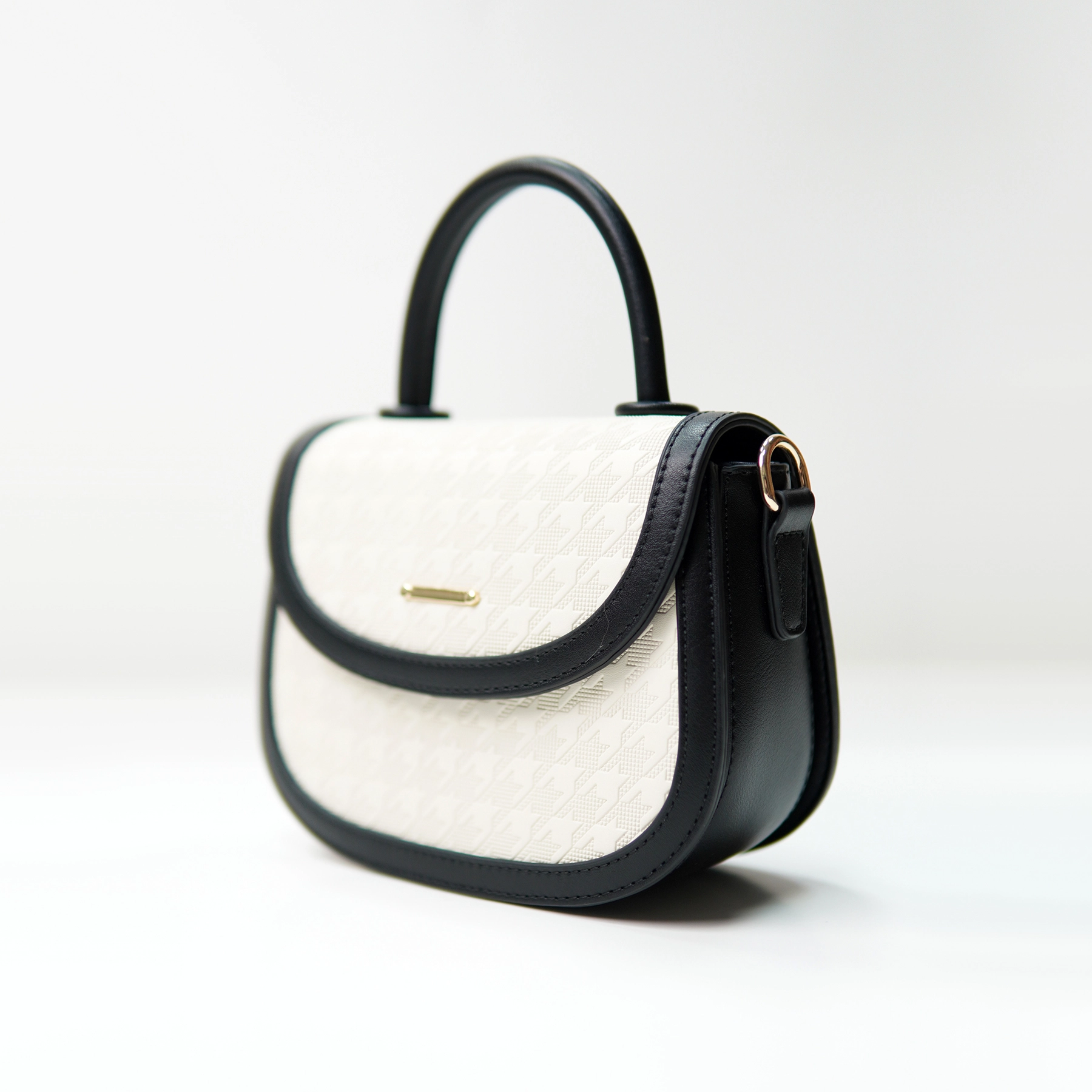
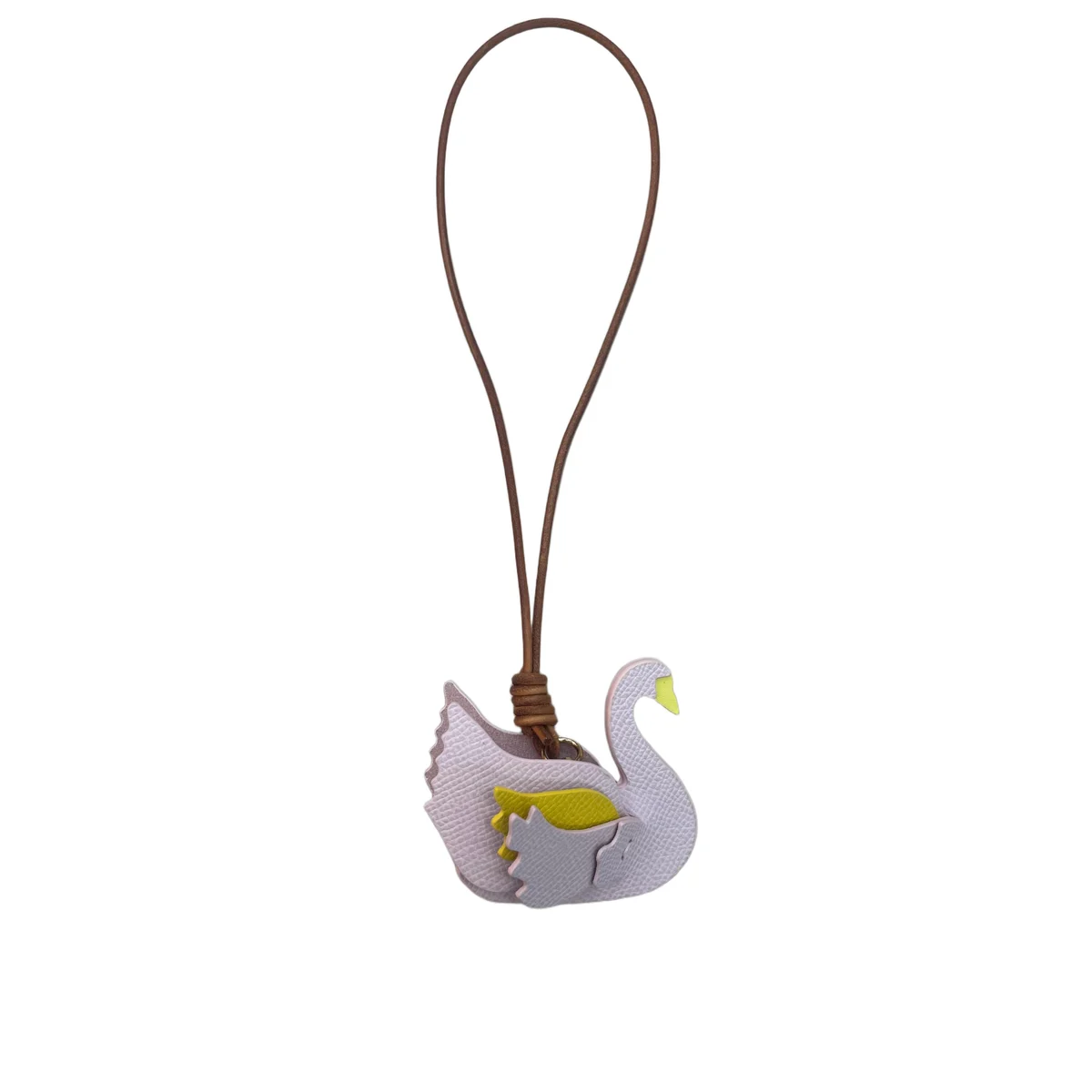


Explore Products for custom bag material sourcing
Browse published Yeenkran product directions, then send your material, size, branding and quantity requirements for an OEM/ODM quotation.




Why Choose Yeenkran for Custom Bag Material Sourcing
Material, hardware and construction decisions are reviewed together so your approved sample can move into repeatable bulk production.
Mill-Ready Material Options
Compare canvas, nylon, RPET, PU, leather and linings by hand feel, weight, durability, water resistance, color and target cost.
Hardware Matched to Build
Source zippers, buckles, webbing, pulls and labels around load requirements, finish expectations, branding details and confirmed supplier minimums.
Pattern-Led Feasibility Review
Our team checks dimensions, structure, pockets, carrying system and material behavior before sampling, helping identify practical construction trade-offs early.
Swatches Before Approval
Review material swatches and sample bags before bulk production to confirm color, texture, performance and compatibility with your bag’s intended use.
Continuity for Reorders
Approved patterns, material specifications and sample records are retained to support consistent sourcing, production planning and future reorder decisions.
MOQ and Cost Clarity
MOQ starts at 100 pieces per style and color, subject to material minimums, hardware choices, construction complexity and confirmed production requirements.
Material Sourcing for Every Core Bag Category
Match fabric, lining, hardware and construction to your bag’s use case, target cost and approved production standard.

Custom Backpack Manufacturer
As a custom backpack manufacturer, Yeenkran sources canvas, Oxford, nylon, polyester, RPET, padding, webbing and hardware around capacity, carrying comfort, abrasion resistance and water-resistance requirements. Patterns and samples confirm pocket layouts, strap construction and reinforcement before bulk approval.
Request a Custom Bag Quote
Custom Handbag Manufacturer
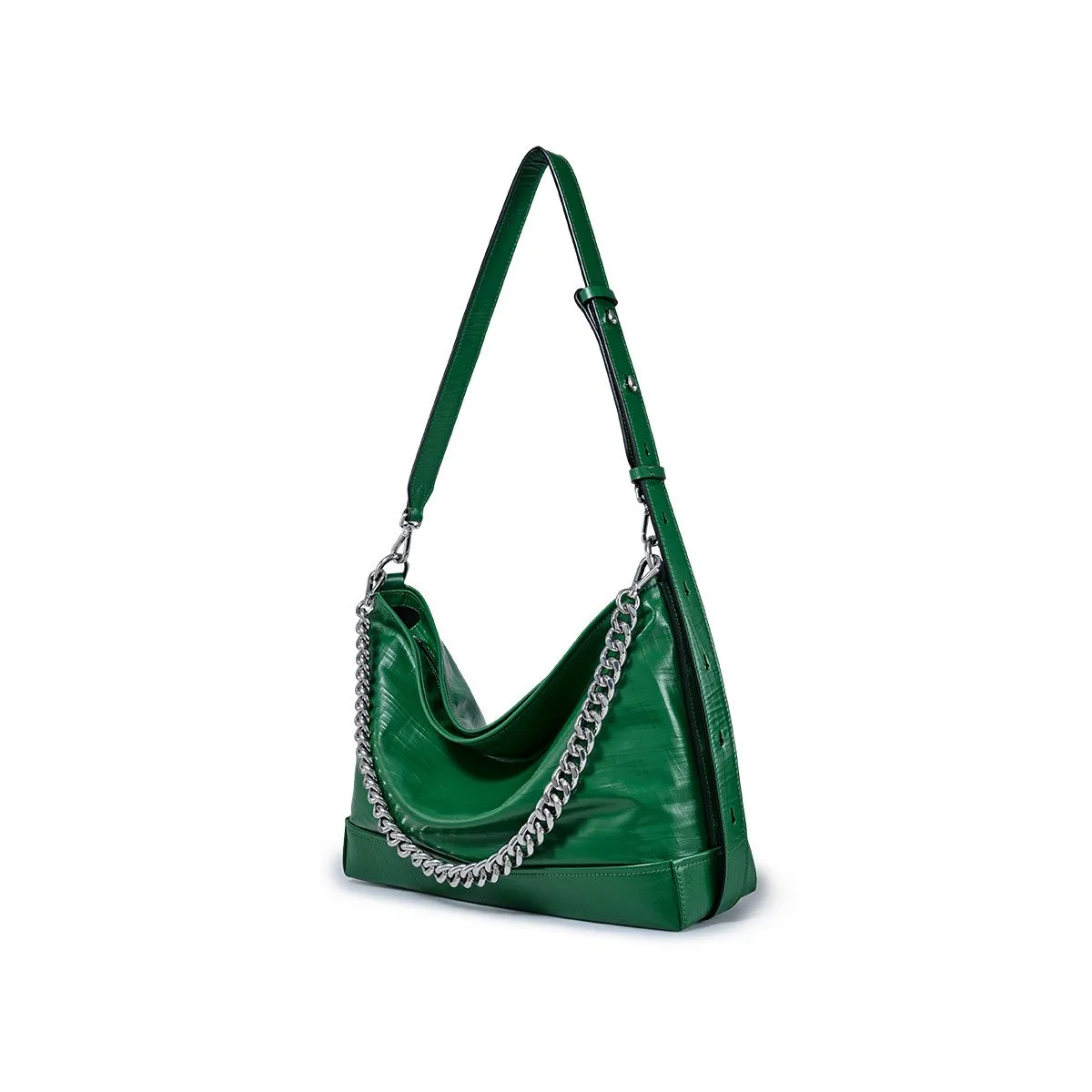
For structured, hobo, shoulder, mini or quilted styles, our custom handbag manufacturer team compares PU, vegan leather, genuine leather, linings, interfacing and metal hardware against shape retention, hand feel, color and target price. Sample review verifies construction and finish details.
Request a Custom Bag Quote
Custom Tote Bag Manufacturer
As a custom tote bag manufacturer, Yeenkran develops canvas, cotton, recycled textile, shopper, beach, insulated and commuter programs. Buyers can confirm fabric weight, handle length, gusset depth, lining, closure, printing or labels through swatches and samples before production.
Request a Custom Bag Quote
Custom Crossbody Bag Manufacturer
Our custom crossbody bag manufacturer process aligns material choice with daily wear, capacity and carrying balance. Select leather, PU, canvas, nylon or recycled textiles with suitable straps, adjusters, zippers, buckles and lining, then approve dimensions and pocket access in the sample.
Request a Custom Bag Quote
Custom Luggage Manufacturer
For duffel, weekender and luggage-oriented programs, our custom travel bag manufacturer team evaluates shell fabric, lining, foam, webbing, zippers and reinforced stress points. Quotation inputs include dimensions, capacity, wheel or handle components, compartments, decoration and packaging.
Request a Custom Bag Quote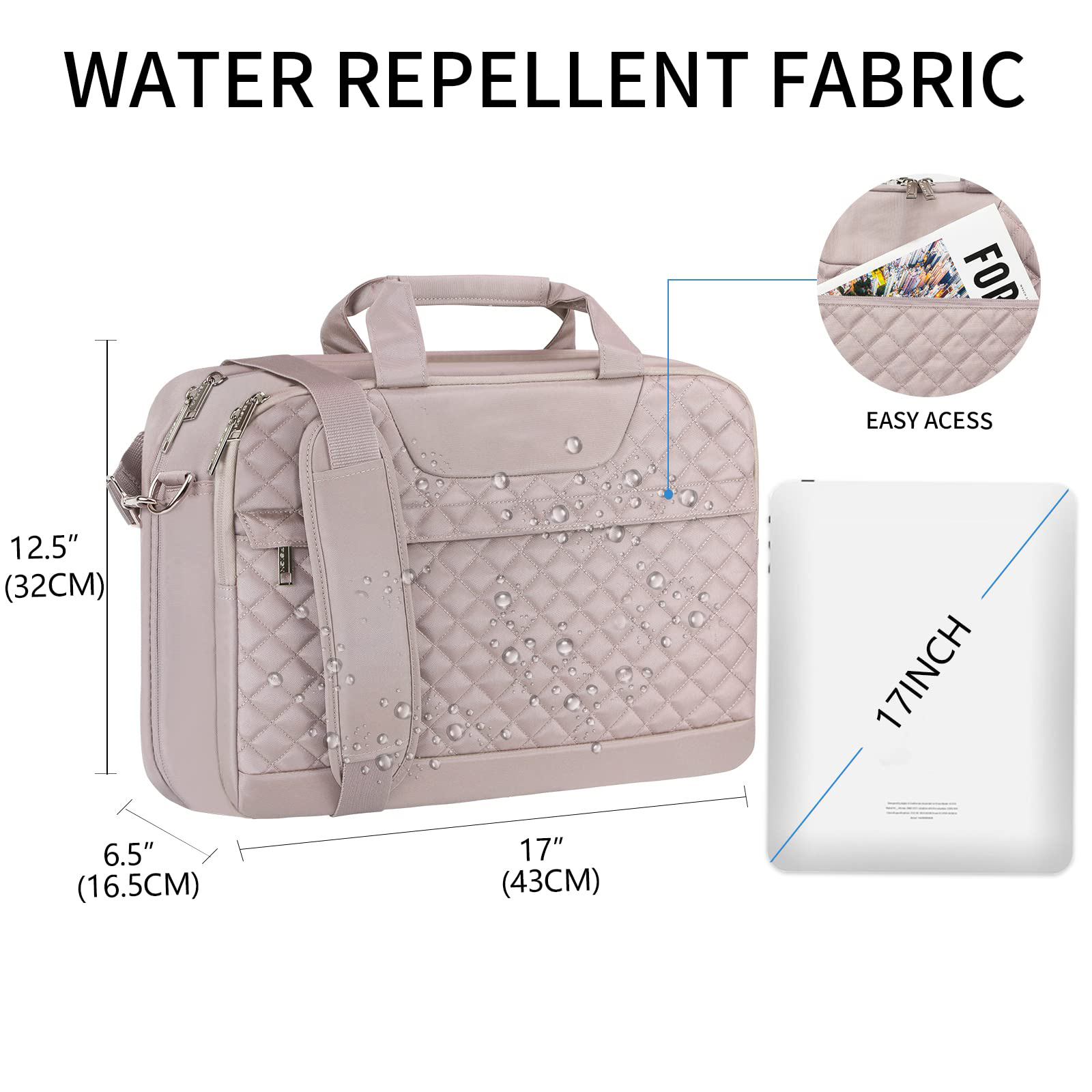
Custom Laptop Bag Manufacturer
As a custom laptop bag manufacturer, Yeenkran sources fabrics and protective components based on device size, carry mode and business use. Padded compartments, foam, lining, shoulder straps, handles and hardware are sampled to confirm fit, protection and production-ready assembly.
Request a Custom Bag Quote
Custom Gym Bag Manufacturer
Our custom gym bag manufacturer service develops duffel, sports and training bags with materials suited to repeated use. Buyers can compare water-resistant fabrics, ventilation options, shoe compartments, padded straps, mesh, zippers and printed or embroidered branding before confirming the bulk specification.
Request a Custom Bag Quote
Custom Fanny Pack Manufacturer
As a custom fanny pack manufacturer, Yeenkran helps define compact construction without overlooking material performance. Choose nylon, polyester, canvas, PU or recycled textiles, then validate belt webbing, buckles, zipper access, pocket layout, lining and logo application through an approved sample.
Request a Custom Bag QuoteCustom Bag Material Sourcing Options

Canvas Cotton
A natural, structured fabric with a tactile hand feel for totes, shoppers, casual backpacks and promotional bags. Canvas weight can be selected to balance body, print performance and cost for the intended construction.

Oxford Cloth
A practical woven option for school, commuter, travel and outdoor bags, valued for its crisp surface and dependable durability. Different deniers and coatings help tailor weight, water resistance and target price.

Nylon Performance Fabrics
Lightweight yet tough nylon suits travel, hiking, tactical and technical bag programs. It offers a smooth hand feel and strong abrasion resistance, with fabric weight and water-resistant finishes specified against the use case.

Polyester and RPET
Polyester and recycled RPET textiles support backpacks, totes, coolers and everyday bags where color consistency and value matter. Available weights, weave structures and coatings allow buyers to compare durability, finish and cost.

PU Vegan Leather
PU and vegan leather create a refined, leather-like surface for handbags, wallets, fashion backpacks and small goods. Buyers can assess grain, softness, backing and thickness to align visual effect, structure and budget.

Genuine Leather Components
Genuine leather is suited to premium handbags, trims, labels and structured details requiring a distinctive natural hand feel. Yeenkran compares tannery options by finish, thickness, color, durability and order-specific cost.
Custom Bag Material Sourcing: Decoration and Construction Processes

Custom Embroidery
Flat or three-dimensional embroidery adds textured logo detail to suitable fabrics and panels. Thread density, backing and placement are reviewed during sampling to maintain clean edges, stable stitching and a durable branded finish.

Screen Printing
Screen printing applies bold artwork and solid-color branding to compatible canvas, cotton and fabric panels. Ink coverage, artwork size and material hand feel are checked on samples to achieve clear graphics with reliable wear performance.

Heat Transfer
Heat transfer places detailed logos or multicolor graphics on selected bag materials. Yeenkran tests adhesion, placement and surface compatibility during sampling so the decoration supports the intended appearance without compromising the material finish.

Laser Engraving
Laser engraving creates precise, low-profile branding on suitable leather, vegan leather and selected trims. Sample review confirms contrast, depth and logo clarity, helping buyers achieve a refined mark without adding a separate label or patch.

Reinforced Assembly
Reinforced seams, webbing and strap assembly strengthen high-load areas such as handles, shoulder anchors and base panels. Construction details are evaluated against the bag’s use case, capacity and selected material before bulk production.
Bonded Panel Construction
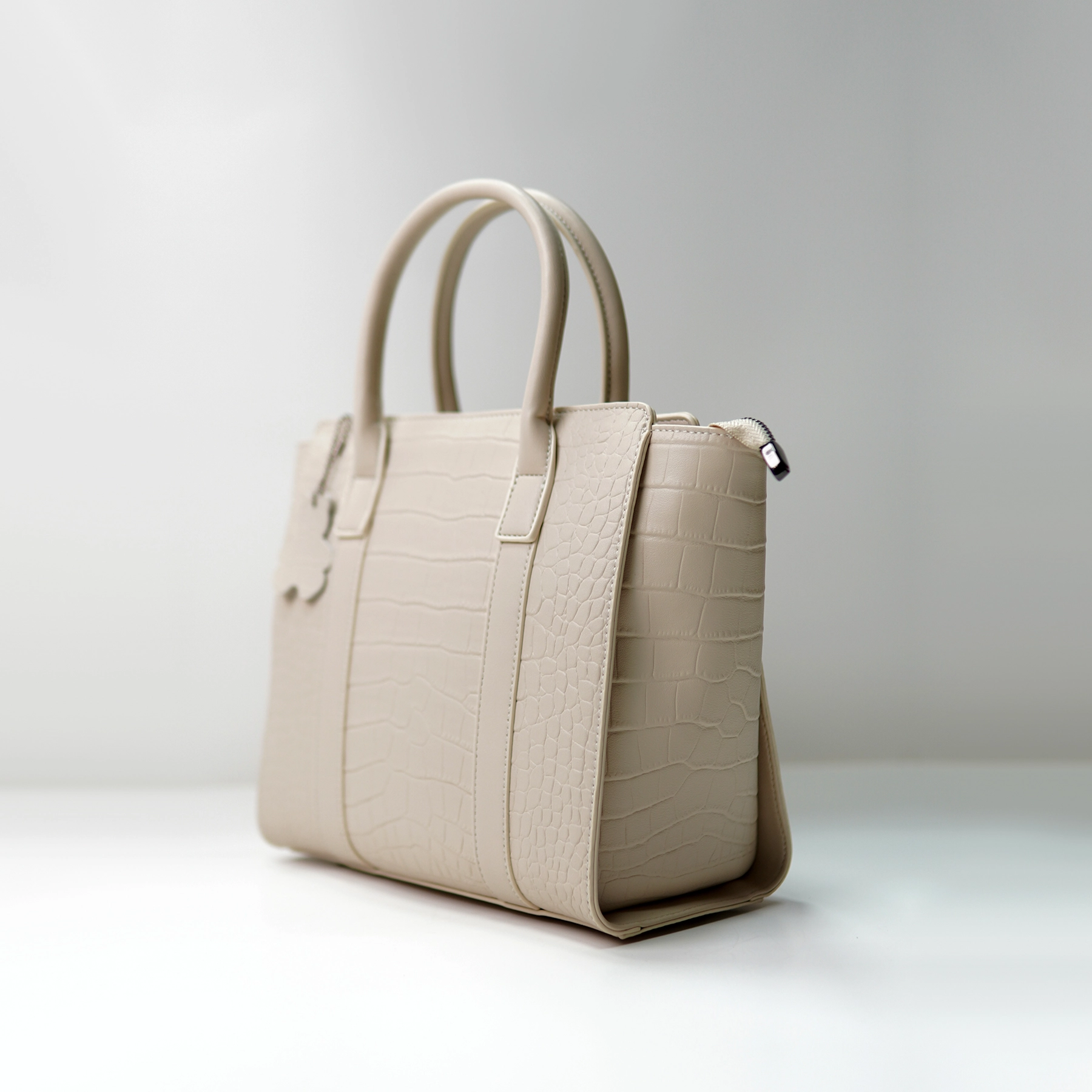
Bonding and molded-panel assembly help create structured shapes, padded backs and clean panel lines. Material layers, foam and structural components are sampled together to verify form retention, comfort and repeatable assembly.
Custom Bag Material Sourcing for Hardware, Trims and Branded Accessories

Custom Zipper Pulls
Choose zipper type, finish, tape color and custom pulls for compartments, closures and pockets. We match zipper performance and pull design to the bag’s use case, material thickness and target price.

Buckles and D-Rings
Source buckles, D-rings, snaps, rivets and cord locks for adjustable straps, detachable components and reinforced load points. Hardware selection is reviewed against webbing width, finish requirements and expected daily use.

Webbing and Straps
Select webbing for shoulder straps, handles, compression systems and internal retainers. Yeenkran confirms width, weave, color, hand feel and strength alongside foam, padding and hardware before sampling.

Woven Brand Labels
Add woven labels, leather labels or metal labels to identify your brand on exterior panels, interiors and straps. Placement, attachment method and label material are checked during sampling for a clean, durable finish.

Custom Patches and Hangtags
Use embroidered patches, printed patches and hangtags to strengthen product storytelling and retail presentation. Yeenkran aligns decoration method, artwork, size and attachment details with your bag construction and packaging plan.

Branded Retail Packaging
Complete each order with custom dust bags, branded boxes, polybags, hangtags and export cartons. Packaging specifications are confirmed with quantity, product dimensions and shipping requirements to protect presentation and reduce damage.
Custom Bag Material Sourcing Since 2010
Founded in 2010 in Wuhan, Hubei, Yeenkran is a bag manufacturer in China serving international brands as an OEM bag manufacturer, ODM bag manufacturer, private label bag manufacturer and wholesale bag supplier. We help buyers move from an early brief, sketch or reference sample to production-ready bags with material choices, construction details and commercial requirements aligned before bulk production.
Our one-stop bag manufacturing workflow combines pattern making, custom bag material sourcing, hardware and trim selection, sampling, manufacturing, quality control, branded packaging and export coordination. As a low MOQ bag manufacturer, we support programs from 100 pieces per style and color, subject to material minimums and construction complexity, across backpacks, handbags, totes, travel bags and small leather goods.
What differentiates Yeenkran is development discipline at the bag level. We compare fabric weight, hand feel, abrasion and water resistance, color, sustainability, minimums and cost alongside pattern, reinforcement and hardware decisions. Approved samples and specifications are retained to help make repeat production more consistent.

From Material Selection to Repeatable Bulk Production
Review Material Trade-Offs
Yeenkran compares fabric, lining, foam, leather, and trim options against hand feel, weight, abrasion resistance, water resistance, color, sustainability goals, order volume, and target cost. This custom bag material sourcing review identifies practical choices before sampling begins.
- Compare swatches and construction-relevant material options
- Confirm mill minimums before committing to a direction
- Align fabric performance with the bag’s intended use
- Review hardware and trim compatibility alongside materials
Engineer the Structure
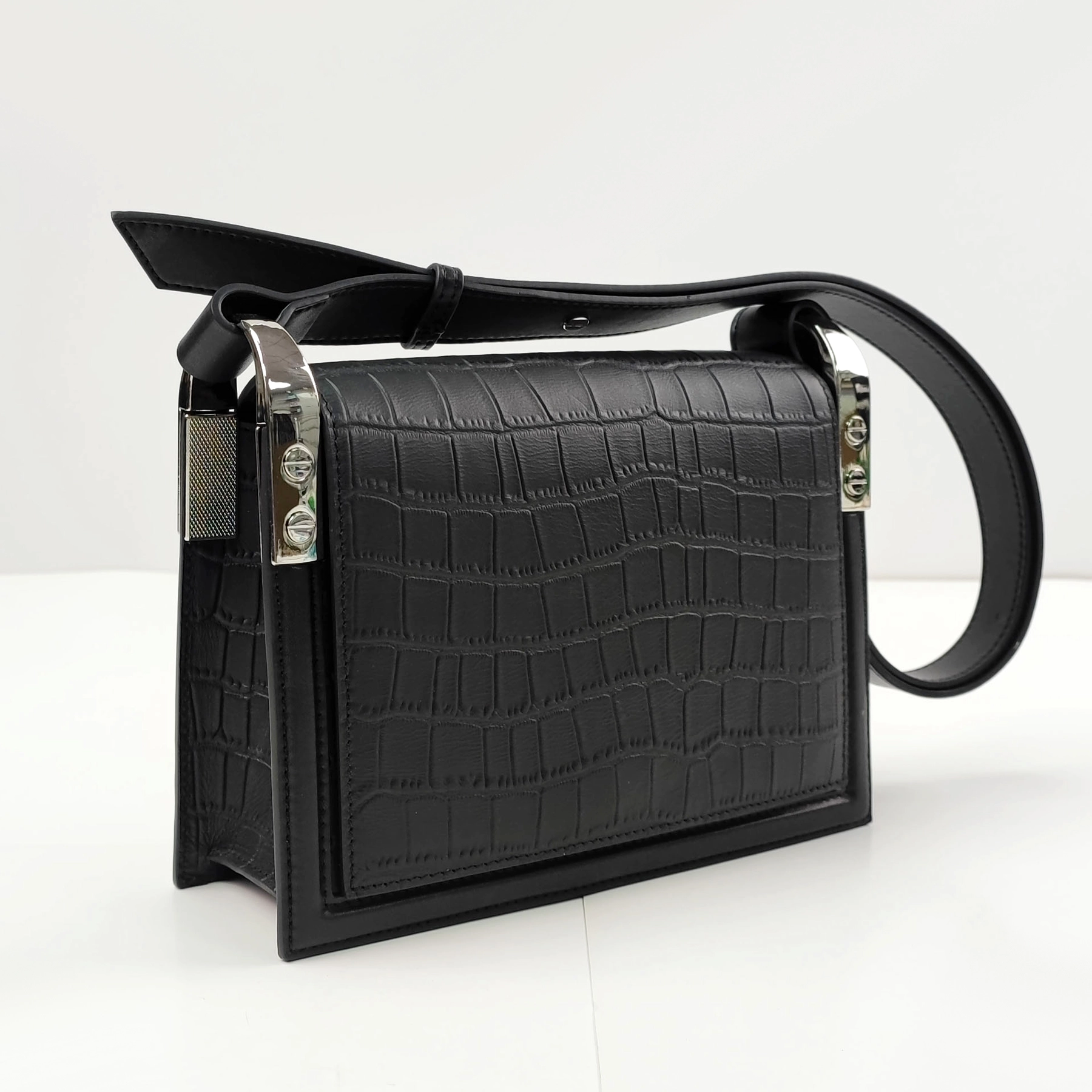
Material decisions are translated into patterns, reinforcement points, pocket layouts, carrying systems, and assembly details. Starting from a tech pack, sketch, reference sample, or concept, the team evaluates dimensions, capacity, hardware placement, and construction feasibility for production-ready development.
- Develop or refine patterns for the approved concept
- Plan reinforcements, padding, panels, and strap assembly
- Check material behavior at seams, folds, and stress points
- Resolve construction details before bulk quotation

Lock Sample Approval Records
Samples give buyers a defined checkpoint for reviewing shape, measurements, materials, color, hardware, decoration, and packaging. After approval, Yeenkran retains the pattern, material specifications, and sample records so future orders can follow the agreed production reference.
- Approve sample details before bulk production
- Record confirmed materials, trims, and construction specifications
- Refine fit, ergonomics, and appearance from buyer feedback
- Keep reference records for consistent reorders
Coordinate Quality for Reorders
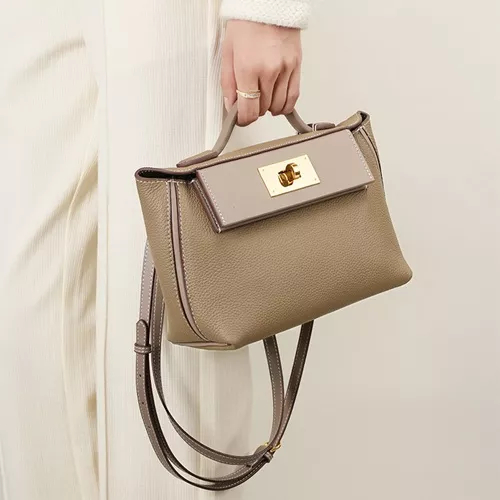
Quality control follows the approved material and sample reference from incoming inspection through in-line construction checks, final appearance review, and packing verification. This coordinated approach helps maintain repeatable results across custom bag material sourcing programs, including orders starting from 100 pieces per style and color.
- Inspect incoming materials against confirmed specifications
- Check measurements, construction, weight, and decoration
- Verify hardware installation and reinforced assembly points
- Confirm retail-ready packing and export carton requirements
Why Choose Yeenkran for Custom Bag Material Sourcing?
Compare an integrated material-to-export workflow with the handoffs common in fragmented bag supplier networks.
← Swipe left or right to view →
From Material Sourcing to Shipment
A defined approval path that turns your material brief and bag concept into consistent, export-ready bulk production.
Review Project Feasibility
We review your use case, dimensions, target price, capacity, construction, decoration, packaging, order volume, and material or hardware requirements before confirming feasible next steps.
Source Materials and Trims
Our team compares fabrics, linings, foam, leather or PU, webbing, zippers, and hardware by hand feel, performance, color, availability, sustainability, and target cost.
Engineer Patterns and Samples
Yeenkran develops or refines patterns, technical details, and prototypes from your tech pack, sketch, reference, or concept, then incorporates buyer feedback before approval.
Confirm Specifications and Order
After sample approval, we confirm material specifications, construction details, branded components, packaging, quantities, production schedule, quotation, and MOQ requirements for the order.
Produce Inspect and Pack
Bulk production follows approved records, with incoming material inspection, in-line construction checks, measurement and decoration review, final appearance inspection, and packing verification.
Coordinate Export and Reorders
We prepare export cartons and coordinate shipment after balance settlement, while retaining approved patterns, samples, and specifications to support consistent repeat orders.
How Custom Bag Material Sourcing Works
Move from an initial concept or completed tech pack to approved materials, a production-ready sample, and a clearly quoted bulk order.
Share Your Bag Brief
Send your tech pack, sketch, reference sample, mood board, or concept with target use, dimensions, materials, hardware, branding, quantity, and target price.
Review Material Options
Compare fabric, lining, foam, structural components, hardware, and trims by hand feel, weight, durability, water resistance, color, sustainability, minimums, and cost.
Approve Your Development Sample
Confirm patterns, construction details, measurements, material specifications, and decoration through a sample, then refine shape, ergonomics, pocket layout, and assembly before approval.
Confirm Quote and Production
Finalize the quotation, material minimums, order quantity, packaging, and production requirements. MOQ starts at 100 pieces per style and color, subject to confirmed materials and construction.
Inspect and Ship Your Order
Yeenkran checks incoming materials, construction, measurements, decoration, appearance, and packing during production, then coordinates export packing and shipment after balance payment.
Documentation Checks for custom bag material sourcing
Request reports relevant to the approved shell, lining, coating, hardware or decoration for the custom bag material sourcing specification.
Review the factory, production and quality records that apply to the confirmed manufacturing program.
Define required declarations or testing before sampling so the quotation reflects the destination market.
When recycled or specifically sourced materials are selected, request supplier records matched to the actual order.
Confirm fiber, care, packaging, carton marks and labeling information for the buyer’s sales channel.
Buyer Approval Priorities for custom bag material sourcing
Use the first custom bag material sourcing sample to verify dimensions, access, carry comfort, materials and logo placement against one written approval list.
Keep approved patterns, material references and construction notes together so repeat orders can be checked against the same standard.
Coordinate pattern development, sourcing, decoration, quality checks and packing through one accountable project file.
Custom Bag Material Sourcing FAQ
Practical answers on material approvals, MOQ, sampling, pricing, payment and delivery for OEM-ready bag programs.
What is the MOQ for custom bag material sourcing?
Can I receive fabric, lining and hardware swatches before ordering?
How does custom bag material sourcing work if I only have a sketch or reference bag?
Do I need to approve a sample before bulk production?
What information do you need for a custom bag material sourcing quote?
How long do swatches, samples and bulk production take?
What payment terms apply to a first custom bag material sourcing order?
Can Yeenkran arrange export shipping for my finished bags?
How is my design information protected during custom bag material sourcing?
Complete Guide to custom bag material sourcing
Use a practical decision framework to compare materials, construction, customization, and supplier capabilities, evaluate China manufacturing partners, control cost and lead time, and avoid sourcing mistakes that compromise bag quality or brand positioning.
1. What Is Custom Bag Material Sourcing?
100-unit programs still require a complete bill of materials, not just an outer shell. Custom bag material sourcing selects, validates, and procures fabrics, lining, foam, webbing, zippers, hardware, labels, and retail or export packaging for one production-ready design.
Yeenkran aligns each component with the bag’s capacity, carrying load, use environment, target price, and available supplier minimums. The process includes swatch review, Pantone color matching where required, hand-feel and weight checks, sample-bag approval, and confirmation that components can run consistently on factory equipment.
1 approved specification links material choices to patterns, seam methods, decoration, compliance documentation requested by the buyer, and bulk inspection standards. This prevents a sample from relying on trims or fabrics that cannot be repeated at the quoted MOQ.
2. How Bag Material Sourcing Evolved
Before the 1950s, bag makers largely built around locally available leather, cotton canvas and standard metal findings, so color and construction choices followed regional supply.
By the 1990s, global mills and trim networks made nylon, polyester, PU and performance coatings practical at scale. Buyers gained more colors, weights and water-resistance options, but became dependent on mill minimums, dye-lot control and supplier lead times.
In 2026, recycled textiles, traceability requests and digital swatch or sample review raise expectations for faster custom bag material sourcing and smaller launches. Material confirmation now belongs early in the product calendar: unavailable fabrics, hardware substitutions or delayed lab dips can shift sampling, bulk booking and delivery risk.
3. Custom Bag Material Sourcing Models
100-unit programs usually start with stock materials, while mature lines need more control. Match the sourcing model to reorder certainty, differentiation, and material risk.
| Model | Control | MOQ/Time | Cost/Risk |
|---|---|---|---|
| Factory stock | Low | 100 units; fast | Lowest; substitutions |
| Nominated supplier | Medium | Supplier MOQ; moderate | Freight and delays |
| Buyer supplied | High | Buyer schedule | Handling and defects |
| Custom fabric | Highest | 300–1,000m; weeks | Development and surplus |
| Certified material | High | Mill MOQ; verification | Premium and document risk |
Stock Materials
100-unit test orders gain speed and lower cost from factory-stock fabrics; availability can change between reorders.
Nominated Or Supplied
1 approved supplier lot improves brand control, but nominated or buyer-supplied goods shift lead time and defect risk to the buyer.
Custom And Certified
300–1,000-meter developments create differentiation or certified traceability; sampling takes longer and surplus ownership should be agreed.
4. Custom Bag Material Sourcing: Fabric Choices
8 material families cover most bag programs. For custom bag material sourcing, specify weight, weave, coating, colorfastness, and intended load before sampling.
| Material | Spec | Use | Trade-Off |
|---|---|---|---|
| Canvas | 10–24 oz | Totes | Low cost |
| Polyester | 300–600D | Backpacks | Colorfast |
| Nylon | 210–1680D | Outdoor | Abrasion |
| PU | Coated | Fashion | Leather-like |
| Leather | Full-grain | Premium | Care |
| RPET | Recycled yarn | Eco lines | Documentation |
| Nonwoven | 80–120 GSM | Promotions | Low durability |
| Laminated | PU/TPU film | Wet use | Higher MOQ |
Woven Fabric Basics
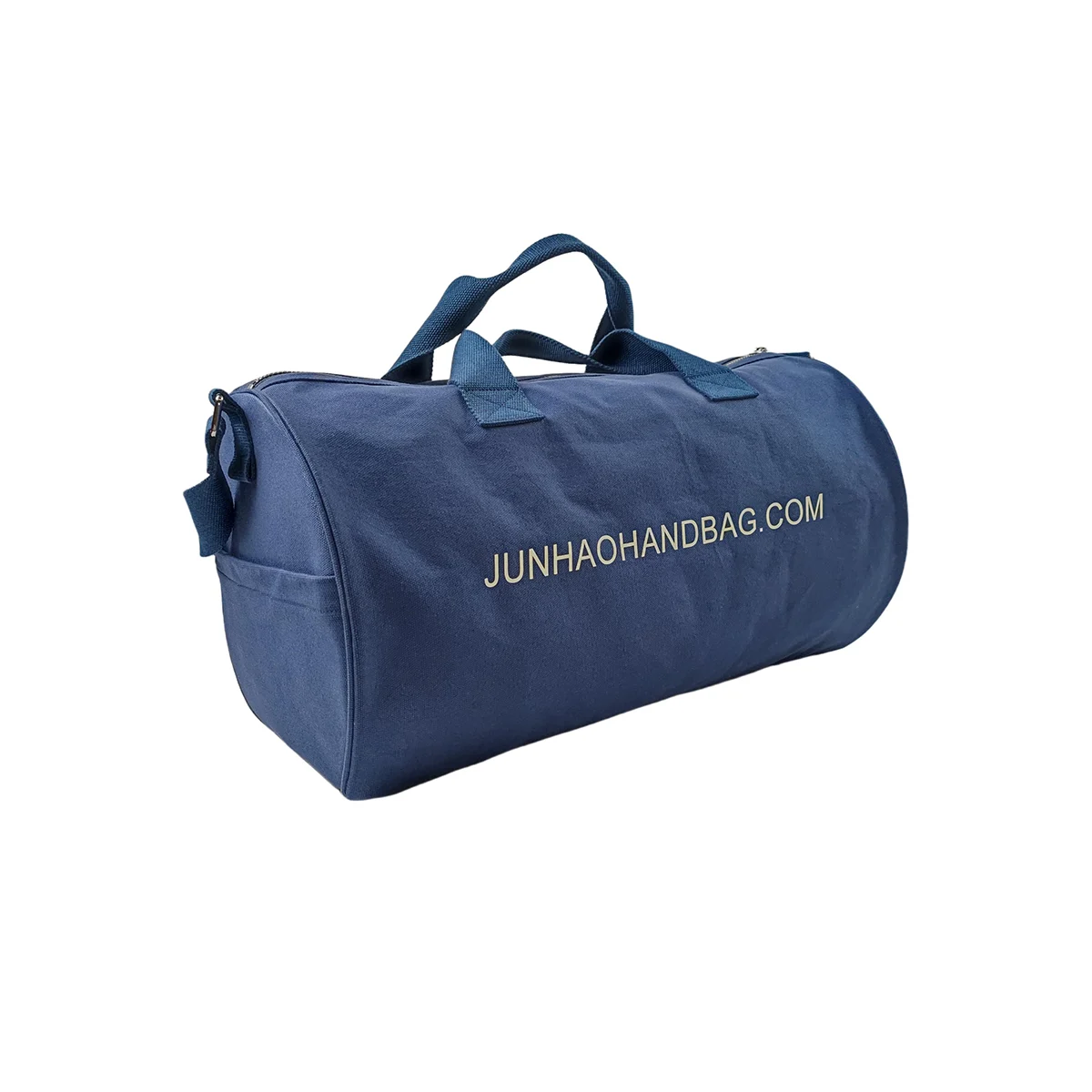
10–24 oz canvas has dry structure for totes.
300D–600D polyester balances print color and cost for backpacks.
Performance And Leather

210D–1680D nylon raises abrasion resistance.
PU mimics leather, while genuine leather needs color-lot approval.
Recycled And Coated Options

80–120 GSM nonwoven fits promotions; documented RPET supports recycled-content claims.
Laminated textiles add water resistance for outdoor bags.
5. Custom Bag Material Sourcing for Trims
Trims determine whether a bag feels deliberate or disposable. In custom bag material sourcing, specify them as carefully as the shell fabric because they control access, load transfer, abrasion resistance, and visual consistency.
Linings And Reinforcement

210D polyester suits light linings; 420D or foam-backed lining better supports laptop and travel compartments.
1.5–2.5 mm boards must match outer-material stiffness to avoid puckering or collapsed panels.
Zippers And Hardware
YKK or an approved equivalent, zipper gauge, finish, puller shape, and cycle-strength expectation belong on the tech pack.
Pantone references should cover webbing, binding, buckles, rivets, magnets, feet, and metal labels; plated finishes need sample approval.
Approval Checklist
100-unit programs should lock thread color, webbing width, buckle strength, label placement, and clasp dimensions before bulk cutting.
2 sample checks—loaded carrying and repeated zipper use—reveal trim incompatibility with coated canvas, leather, nylon, or PU.
6. Customization and Decoration Options
Decoration should be specified with the base material and logo artwork, not after sampling. Match method to surface texture, Pantone colors, placement and reorder volume.
| Method | Best Surface | Effect | Cost Driver |
|---|---|---|---|
| Screen print | Canvas, flat polyester | Opaque color | Screens, color count |
| Heat transfer | Smooth nylon, polyester | Fine detail | Artwork area |
| Embroidery | Canvas, webbing | Textured premium | Stitch count |
| Metal logo | Leather, structured bags | Premium hardware | Mold, plating |
Choose The Right Method

100-piece programs favor heat transfer, woven labels, patches or embroidery because setup is modest. Screen printing becomes more efficient as volumes rise; digital printing suits detailed multicolor art.
Protect The Product Surface

1 mm PU and leather panels accept debossing, embossing or metal logos; avoid fine lines on heavily grained surfaces. Canvas and polyester accept prints, while seams, folds and padded edges need test placement.
7. Construction Quality That Protects Materials
A 3–5 mm seam allowance and balanced stitch density keep selected fabrics from tearing, puckering, or leaking at stress points. Approve construction alongside material swatches, not afterward.
Stress Points And Edges

At handles, zipper ends, and pocket corners, check bartacks, box-X stitching, reinforcement patches, and clean binding. Ask whether raw edges are bound, turned, or painted.
Construction By Bag Type
Tote bags need reinforced handle anchors; backpacks need padded strap webs and load-tested seams. Cosmetic bags need wipe-clean lining attachment; structured handbags need stable interlinings, skived edges, and controlled adhesive.
Sample Approval Questions
Before bulk approval, ask for the tested carry load, stitch count per inch, seam allowance, zipper-stop method, and adhesive specification. Inspect whether lining hangs evenly, zippers run smoothly, and straps twist under weight.
- Where are bartacks and reinforcement layers placed?
- Does the sample match approved materials and hardware?
- What failure points were checked during load testing?
8. Choosing a Bag Manufacturing Partner
A 100-piece MOQ is useful only when the supplier can control materials, sampling, and repeat production. Evaluate evidence before comparing quoted unit prices.
Verify Material Access

Request swatches, supplier names, color cards, and test reports for abrasion, colorfastness, or water resistance.
Ask whether order-matched documentation, order-matched documentation, order-matched documentation, or order-matched documentation documentation is available when your program requires it.
Test Development Discipline
Request a dated sample timeline, pattern-review process, and written approval checkpoints. Clear English communication should resolve dimensions, tolerances, hardware, and packing before bulk cutting.
Audit Production Transparency
Request current factory photos, in-line and final inspection procedures, capacity information, and export references. Confirm whether third-party testing and pre-shipment inspection can be arranged.
9. Common Material Sourcing Mistakes
Material mistakes usually surface after a sample is approved, when correction is slow and expensive. Control them through written specifications, retained standards, and a pre-production sign-off.
Swatches Are Not Specifications

1 swatch cannot confirm bulk behavior. State fiber content, GSM, coating, color standard, abrasion target, and acceptable defects in the quotation.
Color And Sustainability Claims
1 Pantone match may shift between dye lots. Approve a bulk-dip or cutting before production, and require evidence for any recycled or certified-content claim.
Decoration, Changes, And Timing

100% polyester, coated nylon, canvas, and PU accept decoration differently. Test the intended artwork on the production material; freeze substitutions after sample approval and obtain dated material lead times.
Define The Acceptance Standard
AQL expectations should cover stains, shade variation, loose threads, print placement, and hardware scratches. Confirm tolerances and inspection criteria before the pre-production sample is signed off.
10. Pricing and Lead Times
Yeenkran’s standard starting MOQ is 100 units per style and color, subject to material minimums and construction. Quotes should separate sample and setup charges from repeatable unit cost. Bulk-production timing is confirmed only after sample approval, final specifications and supplier availability are established; material grade, custom colors, hardware, decoration, complexity, packaging, testing and shipping terms all affect the schedule.
| Quantity tier | Unit-price direction | Sample or setup cost | Typical lead time |
|---|---|---|---|
| 100–299 units | Highest | Usually separate | Confirmed in quotation |
| 300–999 units | Moderates | Spread across more units | Confirmed in quotation |
| 1,000+ units | Lowest direction | Often amortized | Confirmed in quotation |
Start Your Custom Bag Material Sourcing Project
Send your tech pack, reference sample or concept to compare materials, confirm feasibility and request a production-ready custom bag quote.